What Is a Ceiling Light Fixture and Why Does It Matter in Your Home?
Ceiling light fixtures are one of those things homeowners rarely think about until something goes wrong. They are so woven into the everyday experience of a home that they become almost invisible. But understanding how ceiling lamps work, how they are wired, and what can go wrong is genuinely useful knowledge, especially if you are trying to make smart decisions about your home’s electrical system. Whether you are upgrading a dated fixture, replacing a faulty one, or just trying to understand what an electrician is telling you, this guide is written for you.
How a Ceiling Lamp Is Actually Wired
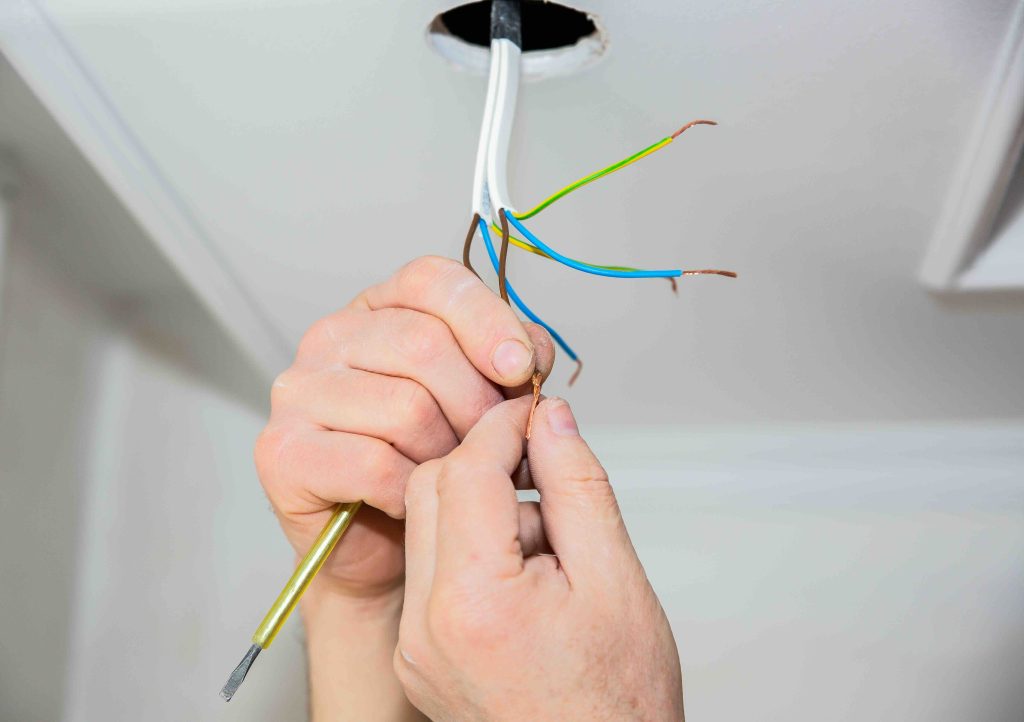
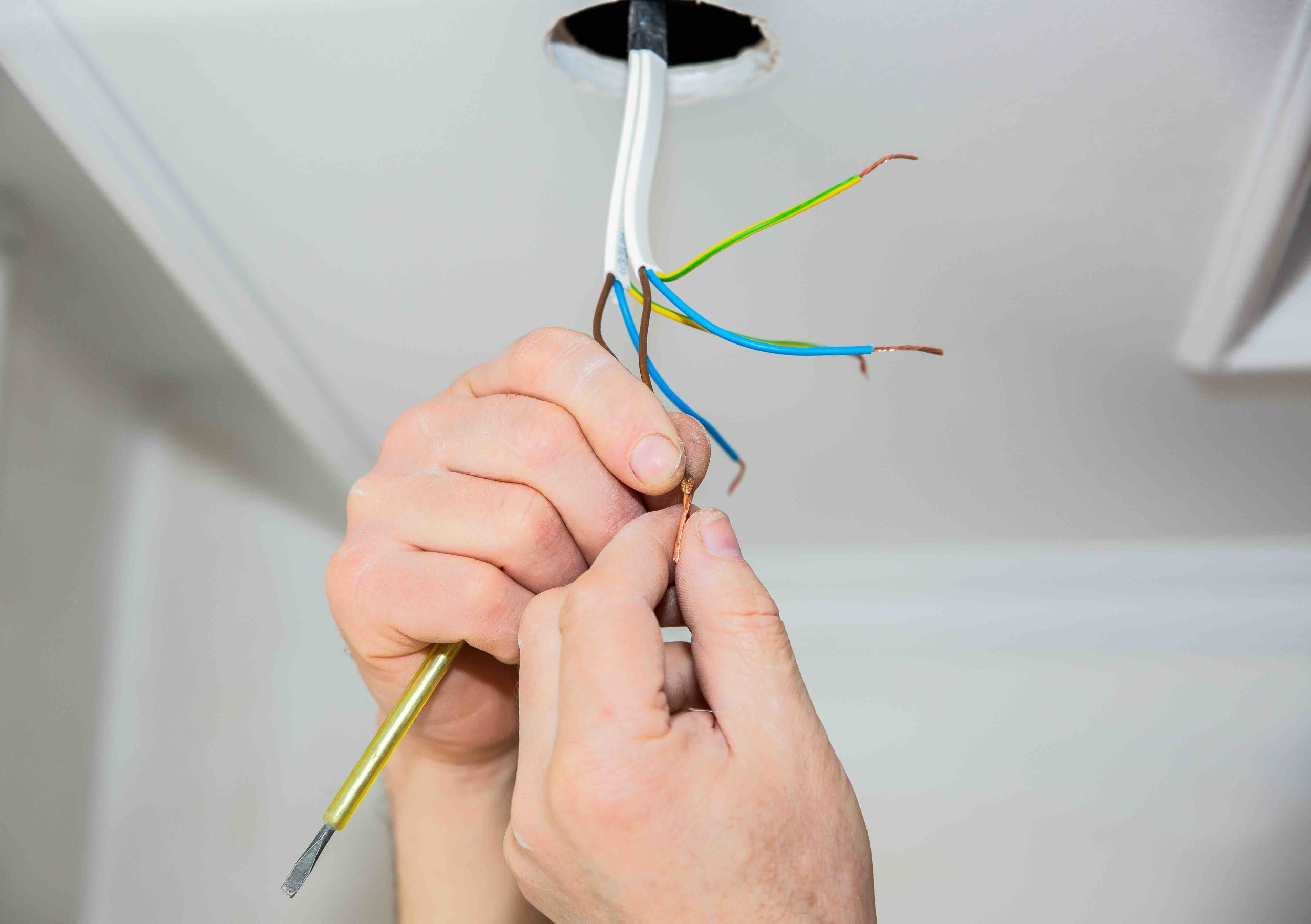
At its core, wiring a ceiling lamp is a fairly straightforward process, but that does not mean it should be taken lightly. A ceiling light fixture connects to your home’s electrical circuit through a junction box mounted in the ceiling. From that box, two primary wires run to the fixture: a hot wire, typically black, which carries the current to the fixture, and a neutral wire, usually white, which returns the current back to the panel. There is also a ground wire, typically bare copper or green, which provides a safe path for electricity in case of a fault. These three wires connect to corresponding wires on the fixture itself using wire nuts or terminal screws. The whole assembly is then secured to the junction box, and a canopy covers the connection point. Sounds simple enough, right? It mostly is, but the details matter enormously when electricity is involved.
The Role of the Junction Box in Ceiling Lamp Installation
The junction box is a detail that gets overlooked surprisingly often. This is the box installed in your ceiling that supports the weight of the fixture and houses the wiring connections. Not all junction boxes are created equal. Standard boxes can support fixtures up to a certain weight, usually around 35 pounds. If you are installing a heavier chandelier or ceiling fan, you need a box rated for that load. Using the wrong box can result in the fixture pulling away from the ceiling over time, which is a safety hazard and, frankly, a headache no one needs. Always verify that your existing box is rated for the fixture you plan to install before you start anything else.

Key Advantages of Understanding Your Ceiling Light Wiring
There are real, practical benefits to understanding how your ceiling lamp is wired, even if you never plan to do the work yourself. Knowing the basics means you can have more informed conversations with electricians, spot potential red flags in older homes, and make better purchasing decisions when selecting fixtures. Here are some of the clearest advantages that come with this knowledge:
- You can identify warning signs early, such as flickering lights, buzzing sounds, or discoloration around a fixture, before they become serious electrical problems.
- You can verify that an electrician’s quote reflects the actual scope of work, which helps prevent overcharging or unnecessary upsells.
- You can select fixtures that are compatible with your existing wiring and switch setup, including dimmer-compatible lights or smart home fixtures.
- You gain confidence in assessing whether a home improvement project is a DIY candidate or requires a licensed professional.
Common Types of Ceiling Light Fixtures and Their Wiring Differences
Not all ceiling lamps are wired identically. The fixture type plays a significant role in how complex the installation process is. A basic flush-mount or semi-flush fixture is typically the most straightforward to install and connects directly to the junction box with minimal hardware. Pendant lights and chandeliers often involve longer wiring runs and additional support considerations. Recessed lighting operates on its own circuit and uses a housing unit embedded into the ceiling rather than mounted on a box. Track lighting requires a dedicated power feed and may be wired to accommodate multiple light heads along a single track. And then there are ceiling fans with integrated lights, which involve wiring for both the fan motor and the light kit, sometimes with separate switch controls or remote receivers. Each category has its own nuances, and knowing which one you are working with helps set expectations before any tools come out.
Common Drawbacks and Wiring Complications to Watch For
Here is where things get real. Ceiling lamp wiring issues are more common in homes than most people realize, particularly in older construction. Some of the most frequent complications include aluminum wiring, which was used in many homes built between the 1960s and 1970s and requires special connectors and handling when attaching new fixtures. Knob-and-tube wiring, found in homes built before the 1940s, presents its own challenges and may not be compatible with modern fixtures at all without significant upgrades. Another common issue is the absence of a ground wire in older circuits, which limits your options for newer fixtures that require a proper ground for safe operation. Overloaded circuits are also a concern, particularly in older homes where the electrical panel has not been updated to accommodate modern power demands. Any of these conditions is a strong reason to involve a licensed electrician rather than attempting a DIY installation.
DIY vs. Hiring a Professional Electrician
This is a question that comes up constantly. The honest answer is that swapping a ceiling fixture for a similar one in a home with modern, properly grounded wiring is generally considered a manageable DIY task for a careful, detail-oriented homeowner. The work involves turning off the breaker, confirming the power is off with a non-contact voltage tester, disconnecting the old fixture, and connecting the new one wire by wire. However, if you discover any of the complications mentioned above, if the existing wiring looks damaged or improperly spliced, or if you are installing a completely new fixture where one did not previously exist, you are in professional territory. Electrical mistakes are not just expensive to fix. They can be genuinely dangerous. Knowing where the line is matters.
Energy Efficiency and Ceiling Lighting: What Homeowners Should Know
Upgrading ceiling fixtures is also an opportunity to improve your home’s energy efficiency. LED-compatible fixtures and modern dimmable ceiling lamps consume a fraction of the electricity that older incandescent-era fixtures did. If your home still has older fixtures designed around high-wattage bulbs, simply replacing them with LED-ready models and using quality LED bulbs can result in measurable savings on your monthly utility bill. Additionally, smart ceiling fixtures that connect to home automation systems allow for scheduling and dimming controls that further reduce energy consumption. The fixture itself is just hardware, but the combination of the right fixture, the right bulb, and the right controls can make a real difference in how efficiently your home runs.
Why Home Warranty Coverage Matters for Your Electrical System
When your ceiling lamp stops working, the issue is not always the fixture itself. Sometimes it is the switch, the wiring inside the wall, or a problem at the circuit breaker. That is where home warranty coverage becomes genuinely valuable. Electrical system failures can be costly to diagnose and repair, and they rarely happen at a convenient time. Armadillo home warranty plans that cover electrical systems and wiring give homeowners a reliable safety net when unexpected failures occur throughout the home, including the kind of hidden wiring issues that ceiling lamp problems can reveal. If you are tired of being blindsided by repair bills, it is worth taking a few minutes to get a personalized home warranty quote for electrical and home system coverage so you know what protection is available to you before something breaks.

Frequently Asked Questions About Ceiling Lamp Wiring
Below are answers to the questions homeowners ask most often about ceiling light fixtures, wiring, and related concerns.
Is it safe to replace a ceiling light fixture yourself?
In most cases, yes, provided you turn off the breaker, verify that power is off using a voltage tester, and follow the manufacturer’s wiring instructions carefully. If the existing wiring is old, damaged, or lacks a ground wire, contact a licensed electrician before proceeding.
What do the wire colors in a ceiling lamp mean?
In standard U.S. residential wiring, the black wire is the hot wire that carries live current, the white wire is the neutral wire that returns current to the panel, and the bare copper or green wire is the ground wire that provides a safety path in the event of a fault.
Why is my ceiling light flickering after I installed a new fixture?
Flickering is most commonly caused by a loose wire connection at the junction box, an incompatible dimmer switch, or a bulb that is not fully seated. Check all connections first, then verify that any dimmer switch in use is rated for LED bulbs if you are using LED lighting.
What is a ceiling junction box, and do I need one?
A junction box is a metal or plastic enclosure installed in the ceiling that houses the wiring connections and supports the weight of the fixture. Every ceiling-mounted light fixture requires one. They are not optional, and using the correct weight-rated box for your specific fixture is essential for safety.
Can I install a ceiling fan where a ceiling light currently exists?
Often yes, but you must first confirm that the existing junction box is rated to support a ceiling fan’s weight and movement. Standard light fixture boxes are not always fan-rated. You may need to replace the box before installing the fan.
What is the difference between a grounded and ungrounded ceiling fixture?
A grounded fixture includes a connection to a ground wire, which provides a safe path for electrical current in the event of a short circuit. An ungrounded setup lacks this protection. While some older fixtures work without a ground, modern fixtures and codes generally require proper grounding for safety.
How do I know if my home has aluminum wiring that affects ceiling fixture installation?
Aluminum wiring, common in homes built between 1965 and 1973, is usually identifiable by silver-colored wires rather than copper-colored ones. If you suspect aluminum wiring, consult a licensed electrician before replacing any fixture, as aluminum requires special connectors and handling procedures.
Does a home warranty cover ceiling light fixture repairs?
Home warranty coverage varies by plan. Many plans cover the electrical wiring and systems within the home but may not cover cosmetic fixture components. Reviewing your plan’s terms carefully or speaking with your home warranty provider will clarify what is and is not included in your specific coverage.
How much does it typically cost to have an electrician wire a ceiling light?
Costs vary by region and project complexity. Replacing an existing fixture on an established circuit generally runs between $50 and $200 in labor. Installing a new fixture in a location that requires running new wiring can cost significantly more, sometimes ranging from $200 to $500 or higher depending on accessibility and local rates.
What should I do if I see burn marks or smell something burning near a ceiling fixture?
Turn off the breaker for that circuit immediately and do not restore power until a licensed electrician has inspected the fixture and wiring. Burn marks or burning smells indicate a serious electrical issue that poses a fire risk and should never be ignored or deferred.