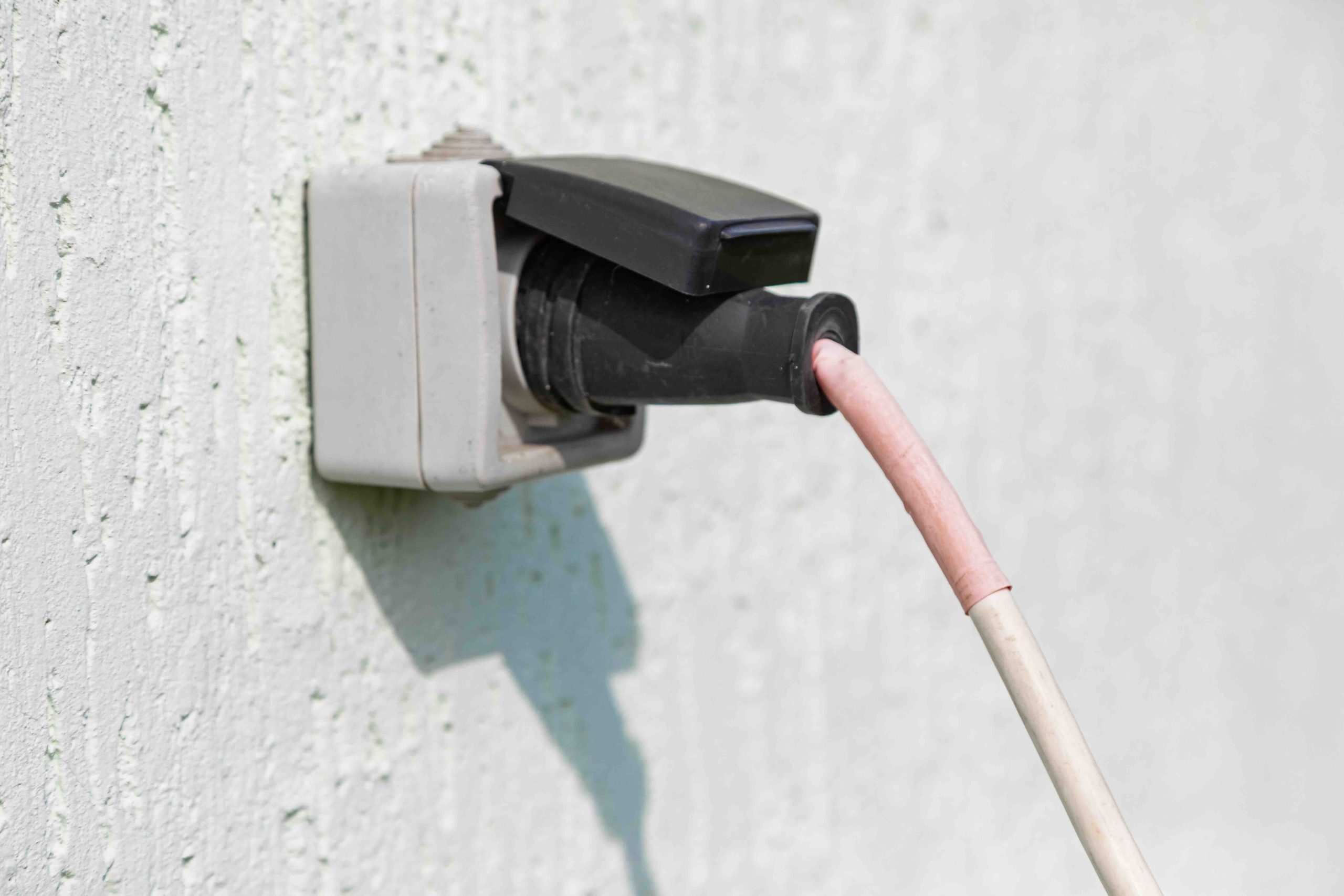
What Is an Outdoor Electrical Outlet and Why Does Your Home Need One?
Most homeowners do not think about outdoor electrical outlets until they are standing in the backyard with an extension cord snaking through a window. That is usually when it clicks. An outdoor outlet is a weatherproof electrical receptacle installed on the exterior of your home, designed to safely deliver power to the outside. Whether you are powering string lights, a pressure washer, power tools, or holiday decorations, a properly installed outdoor outlet makes life significantly easier. More importantly, it makes your home safer by eliminating the need for long, overtaxed extension cords running through doors or windows.
How an Outdoor Outlet Works: The Basics Explained
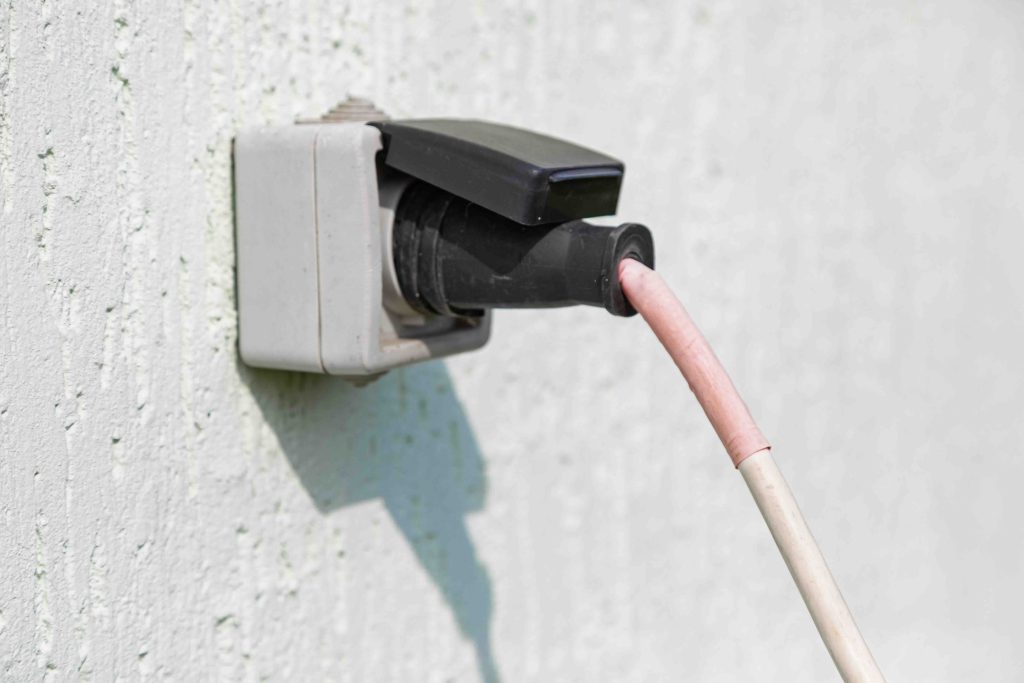
An outdoor outlet functions the same way an indoor outlet does, pulling electricity from your home’s main electrical panel and delivering it to whatever you plug in. The key difference is the housing and protection built around it. Outdoor outlets are required by code to be protected by a GFCI, which stands for Ground Fault Circuit Interrupter. This is the type of outlet with the small reset and test buttons on the face. A GFCI monitors the flow of electricity and shuts off power almost instantly if it detects a ground fault or moisture interference, which significantly reduces the risk of shock or electrocution outdoors. The outlet itself sits inside a weatherproof cover, often called an in-use cover or bubble cover, that shields the receptacle from rain and debris even when something is plugged in.
The Process of Installing an Outdoor Outlet
Installing an outdoor outlet is not a casual weekend project for most homeowners, but understanding the process helps you know what to expect if you hire a licensed electrician. Here is a general overview of how the installation typically works:
- The electrician identifies an interior outlet or junction box close to the planned exterior location to tap into for power.
- A hole is carefully drilled through the exterior wall to route the electrical cable outside.
- Weatherproof electrical cable, typically rated for outdoor use, is run from the power source through the wall and connected to the new exterior box.
- A weatherproof electrical box is mounted flush against the outside wall.
- A GFCI outlet is wired and installed inside the box.
- An in-use bubble cover is attached to protect the outlet during use.
- The circuit is tested to confirm proper grounding and GFCI function.
The entire process can take anywhere from two to four hours depending on the complexity of the wall construction and the distance from the power source. Permits may be required depending on your local jurisdiction, so it is worth checking before work begins.

Key Advantages of Adding an Outdoor Outlet to Your Home
The benefits of having a properly installed outdoor outlet go well beyond convenience. A dedicated exterior power source adds real, practical value to your property in several ways. It eliminates the fire and trip hazards created by running long extension cords through doors. It supports outdoor entertaining spaces, allowing you to power speakers, lighting, fans, and cooking appliances without improvisation. It increases your home’s resale value because buyers notice and appreciate thoughtful electrical planning. It also gives you access to power for seasonal maintenance tasks like pressure washing, leaf blowing, or holiday lighting without jury-rigging a solution every single time. Done right, an outdoor outlet is one of those small home improvements that earns its cost back quickly.
Common Drawbacks and Potential Challenges
No home improvement project is without its complications. A few potential drawbacks are worth understanding before you move forward. First, the cost can vary widely. A straightforward installation might run a few hundred dollars, while a more complex job involving panel upgrades or longer cable runs can push costs significantly higher. Second, if the installation is not done correctly, water can infiltrate the exterior wall through the drilled opening, leading to moisture damage or mold over time. Third, older homes with outdated wiring may require additional electrical work before a new outdoor outlet can be safely added. Finally, some municipalities require permits and inspections for this type of work, and skipping that step can create problems when you go to sell your home.
DIY vs. Hiring a Licensed Electrician
This is the question most homeowners wrestle with, and the honest answer depends on your comfort level, local codes, and the complexity of the job. Electrical work is not inherently mysterious, but outdoor outlet installation involves working inside your main panel, drilling through exterior walls, and ensuring proper weatherproofing, all of which leave significant room for error. A mistake in any of those areas can result in shock hazards, fire risk, or water damage. Most electricians recommend homeowners leave this work to licensed professionals. The cost difference between DIY and professional installation is usually modest enough that the peace of mind is worth it. If you are set on doing it yourself, always turn off the breaker, verify the circuit is dead with a voltage tester, and check your local permit requirements first.
Outdoor Outlet Placement: Where Should You Install It?
Placement matters more than most people realize. A poorly positioned outlet ends up being mostly useless, or worse, creates a hazard. Think carefully about where you actually use power outdoors. Common and practical locations include the front of the home near the garage or entryway, the back exterior wall near a patio or deck, and near outdoor kitchens or grilling stations. The National Electrical Code requires outdoor outlets to be no more than six and a half feet above grade and protected with GFCI protection at all times. If you have a large yard or multiple use zones, consider installing more than one outlet circuit rather than relying on a single location with extension cords, which defeats the whole purpose.
Maintenance Tips to Keep Your Outdoor Outlet Working Safely
An outdoor outlet requires occasional attention to stay in safe, functional condition. Test the GFCI reset and test buttons monthly to confirm the ground fault protection is operating properly. Inspect the weatherproof cover regularly for cracks, fading, or a poor seal, particularly after extreme weather. Keep the outlet cover closed when it is not in use to prevent moisture and insect intrusion. If you notice any discoloration around the outlet, a burning smell, or the GFCI tripping repeatedly, stop using it and call an electrician. These are signs that something is wrong internally and should not be ignored.
How Home Warranty Coverage Relates to Outdoor Electrical Components
Here is something a lot of homeowners overlook: your home’s electrical system, including indoor wiring and outlets, can be covered under a home warranty plan. If your GFCI outlet fails due to normal wear or an internal wiring issue connected to a covered system, a home warranty may help cover the diagnosis and repair cost. That said, home warranties generally cover systems and appliances that fail due to mechanical breakdown, not damage from improper installation or code violations. This is exactly why proper professional installation matters. If your outdoor outlet was installed correctly and fails due to age or a covered electrical fault, having a warranty in place gives you a financial safety net you will genuinely appreciate.
When it comes to protecting the systems and components that keep your home running, Armadillo home warranty plans for electrical system coverage offer the kind of straightforward, no-nonsense protection that actually makes sense for homeowners. Armadillo covers real breakdowns with real service, and if you have been thinking about adding coverage ahead of home improvement projects like outdoor electrical work, now is a good time to act. You can get a free home warranty quote for your electrical and home systems today in just a few minutes, and see exactly what protection is available for your home without any pressure or confusion.

Frequently Asked Questions About Installing Outdoor Electrical Outlets
Real questions homeowners ask, answered clearly and directly.
Do outdoor outlets need to be GFCI protected?
Yes. The National Electrical Code requires all outdoor outlets to be GFCI protected. This applies to new installations and, in many jurisdictions, to existing outlets that are being serviced or updated.
Can I install an outdoor outlet myself?
Technically yes, but it is not recommended unless you have genuine electrical experience. The project involves working near your main panel, drilling through exterior walls, and ensuring weatherproof sealing, all of which carry meaningful risk if done incorrectly.
How much does it cost to install an outdoor electrical outlet?
Most homeowners pay between $150 and $400 for a standard outdoor outlet installation by a licensed electrician. More complex jobs involving panel upgrades or longer cable runs can cost more.
Do I need a permit to install an outdoor outlet?
In many areas, yes. Permit requirements vary by municipality, so check with your local building department before starting any electrical work. Skipping a required permit can cause issues during a home sale.
What type of cover does an outdoor outlet need?
Outdoor outlets should use an in-use cover, sometimes called a bubble cover or while-in-use cover. These allow cords to plug in while keeping the outlet protected from rain and moisture.
How far from the ground should an outdoor outlet be installed?
The National Electrical Code specifies that outdoor outlets should be installed no more than six and a half feet above grade. This ensures safe and accessible placement while keeping the outlet away from standing water and ground-level moisture.
Can an outdoor outlet be added to any home?
Most homes can accommodate an outdoor outlet, but older homes with outdated wiring or a full electrical panel may require additional upgrades first. An electrician can assess your home’s existing capacity before installation begins.
How do I test if my outdoor GFCI outlet is working correctly?
Press the test button on the outlet face. The outlet should lose power immediately. Then press the reset button to restore power. If the outlet does not respond correctly, the GFCI mechanism may be faulty and should be replaced.
Does a home warranty cover outdoor outlets?
Home warranty plans that include electrical system coverage may cover GFCI outlets and wiring that fail due to normal wear and mechanical breakdown. Coverage does not typically apply to damage from improper installation or external causes like flooding.
How many outdoor outlets does a typical home need?
At minimum, most homes benefit from one outlet on the front exterior and one on the rear. Larger properties, homes with outdoor kitchens, or properties with expansive entertaining areas may benefit from additional circuits to avoid relying on extension cords across long distances.