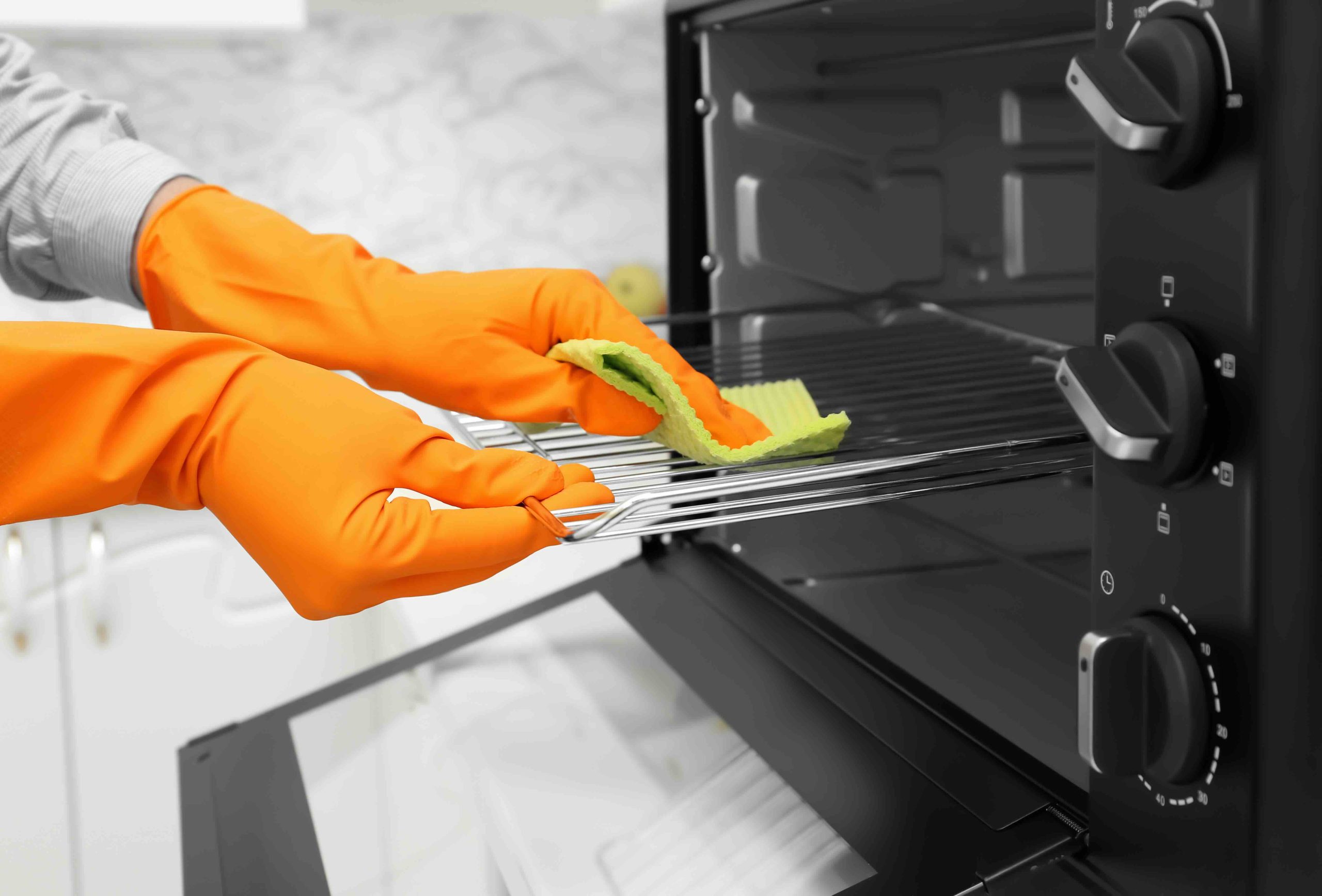
Why Your Stainless Steel Appliances Look Like They Have Seen Better Days
Stainless steel appliances look incredible when they are new. That brushed silver finish gives any kitchen a clean, modern feel, and honestly, it is one of the main reasons homeowners choose them. But then life happens. Heat marks appear near the stovetop. Water spots show up on the refrigerator door. A mystery rainbow-colored stain develops near a burner, and suddenly that sleek finish does not look so sleek anymore. If you are searching for how to remove discoloration from stainless steel appliances, you are in the right place. This is a very common problem, and the good news is that most discoloration can be treated without replacing anything.
What Causes Discoloration on Stainless Steel Appliances
Understanding why the discoloration happened helps you treat it more effectively and prevent it from coming back. Stainless steel is not entirely immune to staining, despite the name. The surface is protected by a thin chromium oxide layer that resists rust and corrosion, but that layer can be disrupted by heat, harsh chemicals, moisture, and everyday use. Heat from cooking is a major culprit, especially near stovetop appliances. High temperatures cause oxidation, which creates those yellow, brown, or bluish rainbow tints you sometimes see. Hard water leaves mineral deposits that look like white, cloudy stains. Fingerprints and oils from cooking create smudges that attract more grime over time. Bleach-based cleaners and steel wool are also responsible for a lot of damage that homeowners blame on the appliance itself.
Identifying the Type of Discoloration Before You Clean
Not all discoloration is the same, and treating the wrong type with the wrong method can make things worse. Take a moment to figure out what you are dealing with before reaching for a cleaning product. Heat discoloration usually looks like a bluish, golden, or rainbow tint, often found on or near cooking surfaces. Water stains tend to look chalky or cloudy, with visible mineral buildup that feels slightly rough to the touch. Rust-colored spots or pitting can appear if the protective layer has been compromised. General surface dullness is usually a buildup of soap residue, grease, or hard water over time. Once you know the type of stain, you can choose the right approach rather than just scrubbing harder and hoping for the best.

How to Remove Heat Discoloration from Stainless Steel
Heat stains are probably the most striking because they can turn an otherwise clean appliance into something that looks burnt or neglected. The good news is that they are usually treatable. Bar Keepers Friend is one of the most recommended products for this type of stain. It contains oxalic acid, which gently breaks down the oxidation without scratching the surface. Apply a small amount to a damp cloth, work it in gently following the grain of the steel, and rinse thoroughly. For milder heat tints, a paste made from baking soda and a little dish soap can work too. The key is always to work with the grain of the steel, never in circles. Going against the grain creates micro-scratches that dull the finish permanently.
Removing Water Stains and Mineral Deposits
Hard water stains are stubborn, but they respond well to mild acids. White vinegar is a household staple that works remarkably well here. Dampen a cloth with undiluted white vinegar and lay it over the stained area for a few minutes to let it dissolve the mineral buildup. Then wipe in the direction of the grain and rinse with clean water. For heavier buildup, a commercial descaler made for stainless steel can get better results. Avoid using citrus-based cleaners directly on the surface for extended periods, as prolonged acid contact can actually damage that protective chromium layer. After treating water stains, dry the surface completely. Letting water sit on stainless steel is one of the fastest ways to invite new stains.
Dealing with Surface Rust and Pitting
Rust on stainless steel is a sign that the protective oxide layer has been compromised, usually from exposure to chlorine, prolonged contact with rust from other metals, or abrasive cleaners. Light surface rust can often be treated with a paste of baking soda and water or a stainless-steel-specific rust remover. Apply gently, follow the grain, and rinse well. Pitting is more serious and sometimes means the surface damage is structural. In those cases, the appliance may need professional attention or the affected component may need replacement. This is where knowing your home warranty coverage becomes relevant, because if the damage is tied to a mechanical failure rather than purely cosmetic wear, there may be coverage implications worth exploring.
Polishing and Protecting the Finish After Cleaning
Cleaning gets rid of the stain, but polishing restores that original look and adds a layer of protection going forward. A small amount of mineral oil or a dedicated stainless steel polish applied with a soft cloth works extremely well. It fills in minor surface scratches visually, restores the sheen, and creates a barrier that resists future fingerprints and water spots. Some homeowners use baby oil with great results. The process is simple: apply a few drops to a clean microfiber cloth and buff it in along the grain. Wipe off any excess so the surface does not feel greasy. Doing this once a month as part of regular cleaning makes a noticeable difference in how the appliances look over time.
Common Mistakes Homeowners Make When Cleaning Stainless Steel
A few cleaning habits that seem harmless can actually cause lasting damage to stainless steel appliances. Here is what to avoid:
- Using steel wool or abrasive scrubbing pads, which leave visible scratches that cannot be undone without professional refinishing
- Wiping in circular motions or against the grain, which creates a dull, scratched appearance over time
- Applying bleach or bleach-based cleaners, which corrode the protective oxide layer and cause pitting
- Leaving cleaning products on the surface too long without rinsing, especially acidic ones
- Using dirty cloths or sponges that transfer old residue and rust particles onto the surface
- Forgetting to dry the surface after cleaning, which leads directly to new water stains and mineral spots
Maintenance Tips to Prevent Future Discoloration
Prevention is significantly easier than treatment, and a few consistent habits will keep your stainless steel appliances looking their best for years. Wipe down appliances regularly with a soft microfiber cloth, especially after cooking or spills. Use a dedicated stainless steel cleaner rather than all-purpose sprays that may contain harsh chemicals. Install a water softener if you have hard water, since this reduces mineral buildup on every appliance in the home. Keep appliances dry and well-ventilated to prevent moisture from sitting on the surface. And be mindful of what comes into contact with the steel. Cast iron pans, steel utensils, and other metal objects left resting against the surface can transfer rust over time.

How Armadillo Supports Homeowners Who Rely on Their Appliances
Keeping stainless steel appliances clean and looking great is one part of the equation. The other part is making sure those appliances keep working. Surface discoloration is a cosmetic issue most homeowners can handle themselves with the right approach, but internal mechanical failures are a different story entirely. When a refrigerator compressor fails or a dishwasher pump stops working, that is not a cleaning problem. That is where a home warranty becomes genuinely useful. Homeowners who want real peace of mind around their appliances trust Armadillo home warranty coverage for kitchen appliances and home systems to handle the unexpected costs that come with owning and maintaining a home. If you want to know what is covered and how the plans work, you can get a free home warranty quote to protect your stainless steel appliances and beyond in just a few minutes. Maintaining your appliances well and having the right coverage behind you is a combination that keeps your home running the way it should.
Frequently Asked Questions About Removing Discoloration from Stainless Steel Appliances
These questions cover what homeowners most commonly want to know when dealing with discoloration on stainless steel surfaces.
Can I use regular household vinegar to remove stains from stainless steel appliances?
Yes, white distilled vinegar is effective at removing water stains and mineral deposits from stainless steel. Apply it with a cloth, let it sit briefly, wipe in the direction of the grain, and rinse thoroughly. Avoid leaving vinegar on the surface for extended periods, as prolonged acid exposure can damage the finish.
Why does my stainless steel appliance have a rainbow or bluish tint?
That rainbow or bluish tint is heat discoloration caused by oxidation. It typically appears near cooking surfaces when the steel is exposed to high temperatures over time. It can usually be treated with Bar Keepers Friend or a baking soda paste applied gently along the grain of the steel.
Is stainless steel discoloration permanent?
Most surface discoloration is not permanent and can be treated with the right cleaning products and techniques. However, deep scratches, pitting from chemical damage, or corrosion from compromised protective layers may be permanent without professional refinishing.
What is the best cleaner for stainless steel appliance discoloration?
Bar Keepers Friend is widely regarded as one of the best options for stubborn discoloration, including heat tints and rust. For everyday maintenance and mild staining, a dedicated stainless steel cleaner or a mixture of dish soap and baking soda works well.
Can I use bleach to clean stainless steel appliances?
No. Bleach and bleach-based cleaners should never be used on stainless steel. They corrode the chromium oxide protective layer that keeps stainless steel resistant to rust, which can lead to pitting and long-term surface damage.
How do I remove white cloudy stains from a stainless steel refrigerator?
White, cloudy stains are typically hard water mineral deposits. Treat them with white vinegar applied with a soft cloth, letting it soak for a few minutes before wiping in the direction of the grain. Rinse and dry the surface completely after treatment to prevent new deposits from forming.
Does stainless steel discoloration affect appliance performance?
Surface discoloration is generally a cosmetic issue and does not directly affect how an appliance functions. However, corrosion that penetrates deeper than the surface can eventually affect components near the affected area, particularly on appliances with exposed metal parts.
How often should I clean and polish stainless steel appliances?
Wiping down appliances after each use prevents buildup, while a thorough cleaning should happen at least once a week. Applying a stainless steel polish or mineral oil once a month helps protect the finish and significantly reduces the appearance of fingerprints and future staining.
Can I remove stainless steel discoloration without buying special products?
Yes. Baking soda mixed with a small amount of dish soap creates an effective paste for mild discoloration. White vinegar handles water stains well. Mineral oil or baby oil works as a polishing agent. These household items can address most common staining issues without requiring specialty products.
Does a home warranty cover stainless steel appliance discoloration?
Home warranties typically cover mechanical and functional failures rather than cosmetic issues like surface discoloration. However, if the discoloration is related to or caused by an internal component failure, it is worth reviewing your specific plan details to understand what may be covered.