What Is an HVAC System and Why Does It Matter for Your Home?
Your HVAC system is one of the hardest-working pieces of equipment in your entire home. It handles heating, ventilation, and air conditioning, which means it is responsible for keeping your indoor environment comfortable no matter what season it is. Most homeowners interact with their HVAC system every single day without giving it much thought, right up until something stops working. Understanding how the system functions, what keeps it running efficiently, and where things tend to go wrong can save you a significant amount of money and frustration over the life of your home.
How an HVAC System Actually Works
At its core, an HVAC system moves air and controls temperature and humidity throughout your home. The heating side typically involves either a furnace that burns fuel to generate heat or a heat pump that transfers heat from outside air into the home. The cooling side uses a refrigerant cycle to pull heat out of your indoor air and release it outside, which is how your air conditioner lowers the temperature. Ventilation ties it all together by circulating and filtering that conditioned air through a network of ducts and vents. The thermostat acts as the brain, telling the whole system when to turn on, how hard to run, and when to shut off. It sounds straightforward, but there are a lot of components that have to work together seamlessly for the system to perform correctly.
The Key Components Every Homeowner Should Know
Knowing the names and basic roles of each component makes it a lot easier to communicate with technicians and understand inspection reports. Here are the primary parts of a standard HVAC system:
- Furnace or heat pump: generates or transfers heat to warm the home
- Air conditioner or condenser unit: removes heat from indoor air during warmer months
- Air handler: circulates conditioned air through the duct system
- Ductwork: the network of channels that distribute air throughout each room
- Thermostat: the control interface that regulates temperature settings
- Air filter: captures dust, debris, and allergens before air circulates
- Evaporator coil: absorbs heat from indoor air as part of the cooling cycle
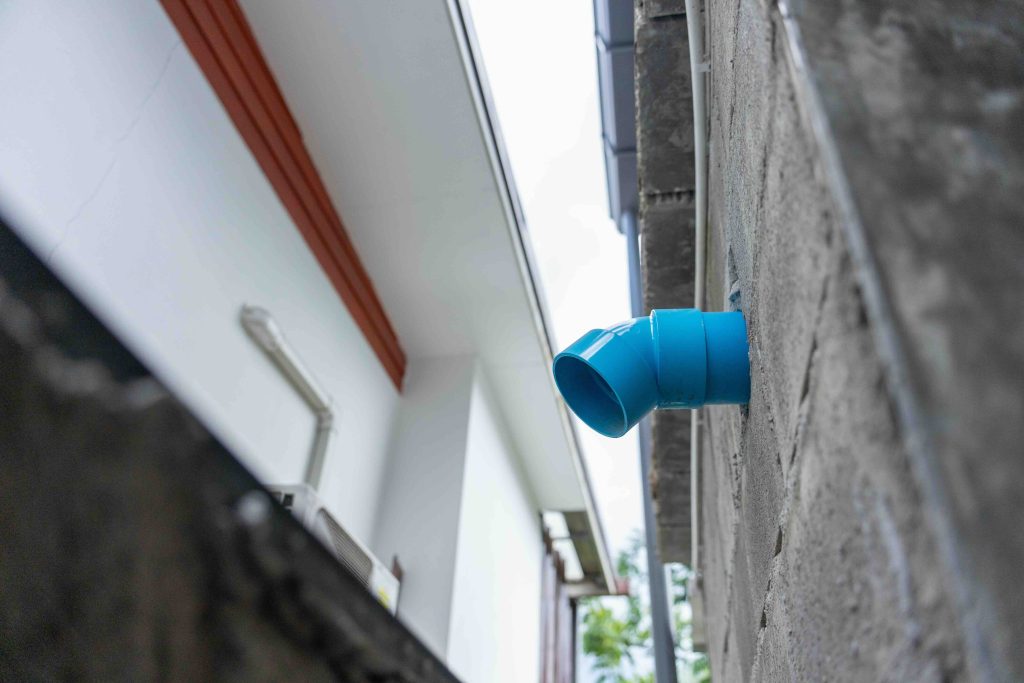
- Condensate drain: removes moisture pulled from the air during cooling
Each of these parts is evaluated during a standard HVAC inspection, and any one of them can become a source of trouble if it is neglected long enough.
What a Routine HVAC Inspection Covers
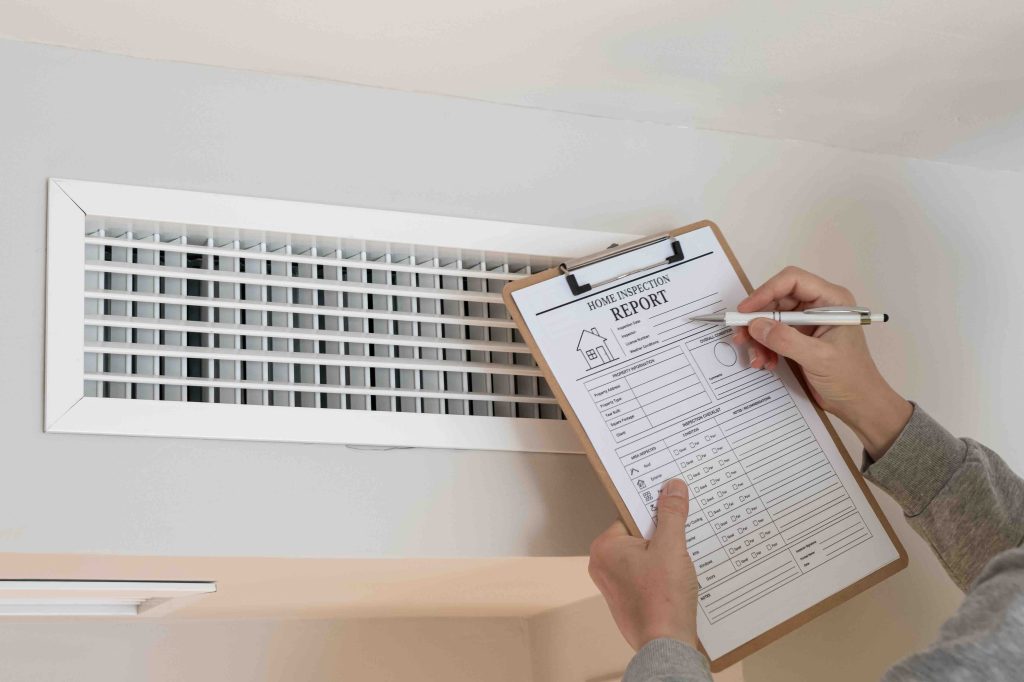
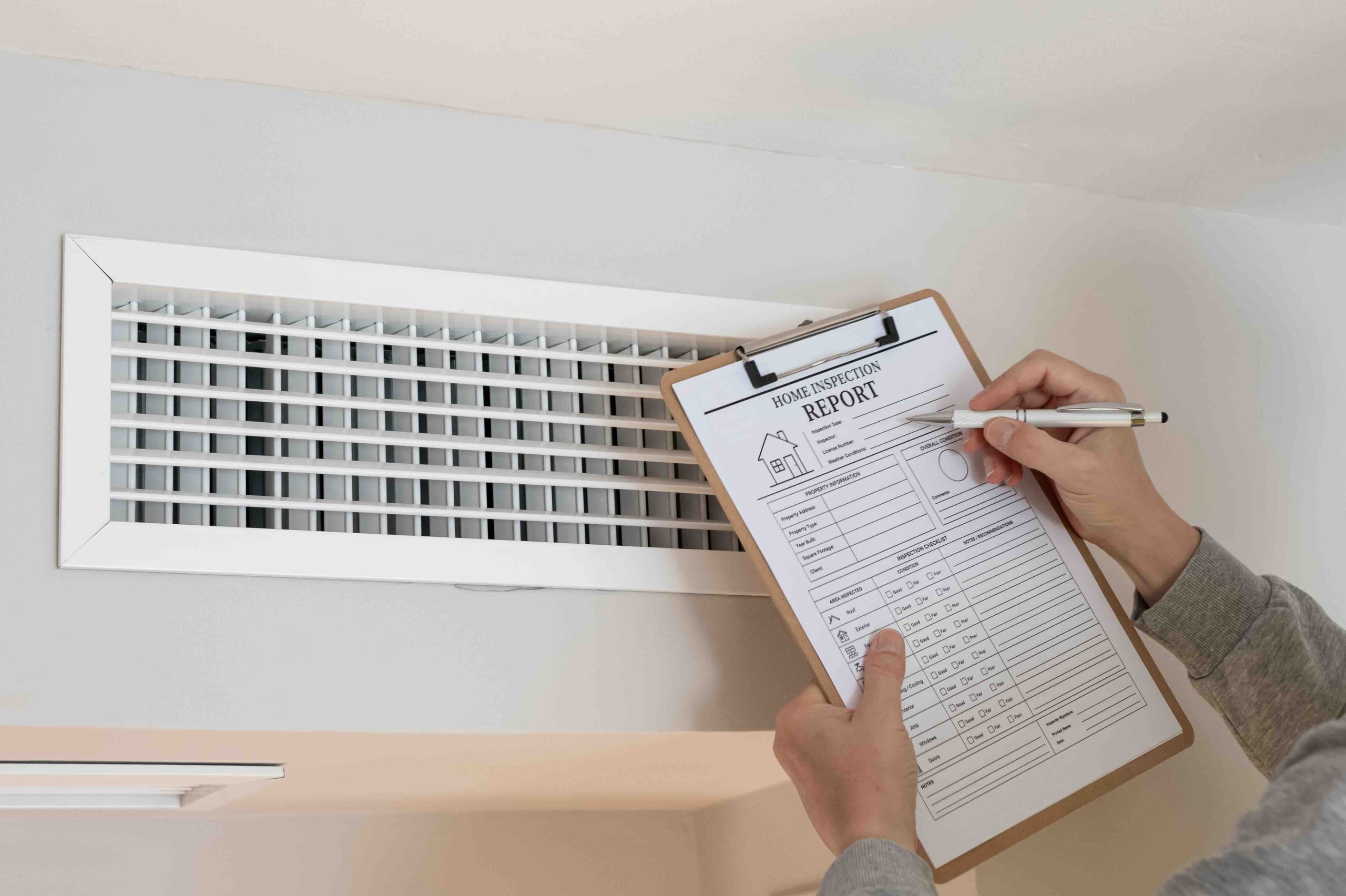
A professional HVAC inspection is not just someone glancing at your unit and calling it a day. A thorough inspection follows a structured checklist that examines every major component for signs of wear, damage, inefficiency, or safety risk. Technicians typically check thermostat calibration, test electrical connections and controls, inspect the heat exchanger for cracks, measure refrigerant levels, clean or evaluate the evaporator and condenser coils, inspect the blower motor and belt, confirm that the condensate drain is clear, and verify that airflow is reaching each zone of the home properly. This kind of systematic evaluation catches small issues before they turn into expensive breakdowns.
The Real Benefits of Keeping Up With HVAC Maintenance
Regular HVAC maintenance is one of the most cost-effective habits a homeowner can adopt. Systems that are serviced consistently tend to operate more efficiently, which translates directly into lower monthly energy bills. A well-maintained system also lasts longer. The average HVAC system has a lifespan of roughly 15 to 20 years, but that number drops noticeably when maintenance is skipped. Beyond cost savings, there are comfort and health benefits too. Clean filters and coils improve indoor air quality, reduce humidity fluctuations, and help prevent the buildup of mold or allergens in the duct system. If you have anyone in your household with respiratory sensitivities, this is not a minor point.
Common HVAC Problems Homeowners Face
Even with good maintenance habits, HVAC systems develop problems. Some of the most frequently reported issues include refrigerant leaks, which cause the system to lose cooling capacity; dirty or clogged air filters, which restrict airflow and strain the motor; frozen evaporator coils, often caused by low refrigerant or poor airflow; cracked heat exchangers, which can pose carbon monoxide risks; and failing capacitors or contactors in the outdoor unit, which are common culprits behind sudden system shutdowns. Unusual noises, inconsistent temperatures between rooms, short cycling, and unexpectedly high energy bills are all signs that something deserves a closer look. None of these issues improve on their own.
How Often Should You Schedule HVAC Service?
The general industry recommendation is to have your HVAC system professionally serviced twice per year: once in the spring before the cooling season begins and once in the fall before heating season starts. Between professional visits, homeowners should be changing their air filters every one to three months depending on filter type and household conditions, checking that vents are unobstructed, listening for unusual sounds, and monitoring energy usage for unexpected spikes. Keeping a basic maintenance log is a simple habit that makes it easier to track service history and identify patterns when problems arise.
HVAC Efficiency Ratings and What They Mean for You
When shopping for a new system or evaluating your existing one, efficiency ratings come up quickly. For air conditioners and heat pumps, the SEER rating, which stands for Seasonal Energy Efficiency Ratio, measures how much cooling output a system delivers per unit of energy consumed. Higher SEER ratings mean greater efficiency and lower operating costs. For furnaces, the AFUE rating, or Annual Fuel Utilization Efficiency, indicates what percentage of fuel is converted into usable heat. A furnace with a 95 percent AFUE rating converts 95 cents of every dollar of fuel into heat. Understanding these ratings helps you make smarter decisions when it is time to repair or replace major components.
When Repair No Longer Makes Sense and Replacement Becomes the Smarter Move
There comes a point where continuing to repair an aging HVAC system no longer makes financial sense. A common industry rule of thumb is to multiply the repair cost by the age of the unit. If the result exceeds the cost of a new system, replacement is likely the better investment. A system over 15 years old that requires a major repair is often a strong candidate for replacement, especially if it is operating with a low efficiency rating. Newer systems offer significantly improved efficiency, quieter operation, and better air quality management. That said, replacement is a major expense, and it is worth getting a second opinion before committing.
Why Armadillo Home Warranty Is the Right Partner for Your HVAC System
HVAC systems are expensive to repair and even more expensive to replace, which is exactly why having the right protection in place matters. Armadillo was built with homeowners in mind, offering straightforward coverage that removes the financial uncertainty that comes with unexpected system failures. When your furnace stops working in the middle of winter or your air conditioner gives out during a heat wave, the last thing you want to be doing is scrambling to figure out how you are going to cover a four-figure repair bill. trusted home warranty coverage for HVAC systems and major appliances means you have a plan in place before something breaks, not after. Armadillo keeps the process simple, the response time fast, and the coverage transparent. If you want to take the next step toward protecting your home’s heating and cooling system, you can get a personalized home warranty quote for HVAC coverage in just a few minutes and see exactly what your protection would look like.

Frequently Asked Questions About HVAC Systems and Home Warranty Coverage
Below are answers to some of the most common questions homeowners ask about HVAC systems, maintenance, and how home warranty coverage applies.
How long does a typical HVAC system last?
Most HVAC systems have a lifespan of 15 to 20 years with proper maintenance. Heat pumps tend to last around 15 years, while furnaces can sometimes reach 20 to 25 years depending on usage and upkeep.
What is the most common cause of HVAC failure?
Neglected maintenance is the leading cause of premature HVAC failure. Dirty filters, skipped service visits, and ignored minor issues compound over time and result in major component failures.
Does a home warranty cover HVAC systems?
Many home warranty plans include coverage for heating and cooling systems, though the specific components covered and any applicable limits vary by provider and plan. Always review the coverage details carefully before purchasing.
How often should HVAC filters be replaced?
Standard filters should be replaced every one to three months. Homes with pets, allergies, or high dust levels may benefit from monthly changes, while homes with fewer occupants may go longer between replacements.
What does SEER rating mean for an air conditioner?
SEER stands for Seasonal Energy Efficiency Ratio and measures the cooling efficiency of an air conditioner over a typical cooling season. Higher SEER ratings indicate better efficiency and lower energy costs.
Can I run my HVAC system without a filter?
Running an HVAC system without a filter allows dust and debris to accumulate on internal components, which damages the system over time and degrades indoor air quality. A filter should always be in place.
What are the signs that my HVAC system needs repair?
Warning signs include unusual noises, uneven heating or cooling throughout the home, short cycling where the system turns on and off frequently, higher than normal energy bills, and reduced airflow from vents.
How much does a typical HVAC repair cost?
Repair costs vary widely depending on the component and severity of the issue. Minor repairs like replacing a capacitor may cost a few hundred dollars, while compressor replacements or heat exchanger repairs can reach into the thousands.
Is it worth repairing an older HVAC system?
If the system is over 15 years old and the repair cost is substantial, replacement is often the more cost-effective choice. A newer, more efficient system will also reduce monthly energy expenses.
What should I expect during a professional HVAC inspection?
A professional HVAC inspection typically includes checking thermostat calibration, testing electrical components, inspecting refrigerant levels, cleaning coils, verifying airflow, and examining the heat exchanger and condensate drain for any issues.