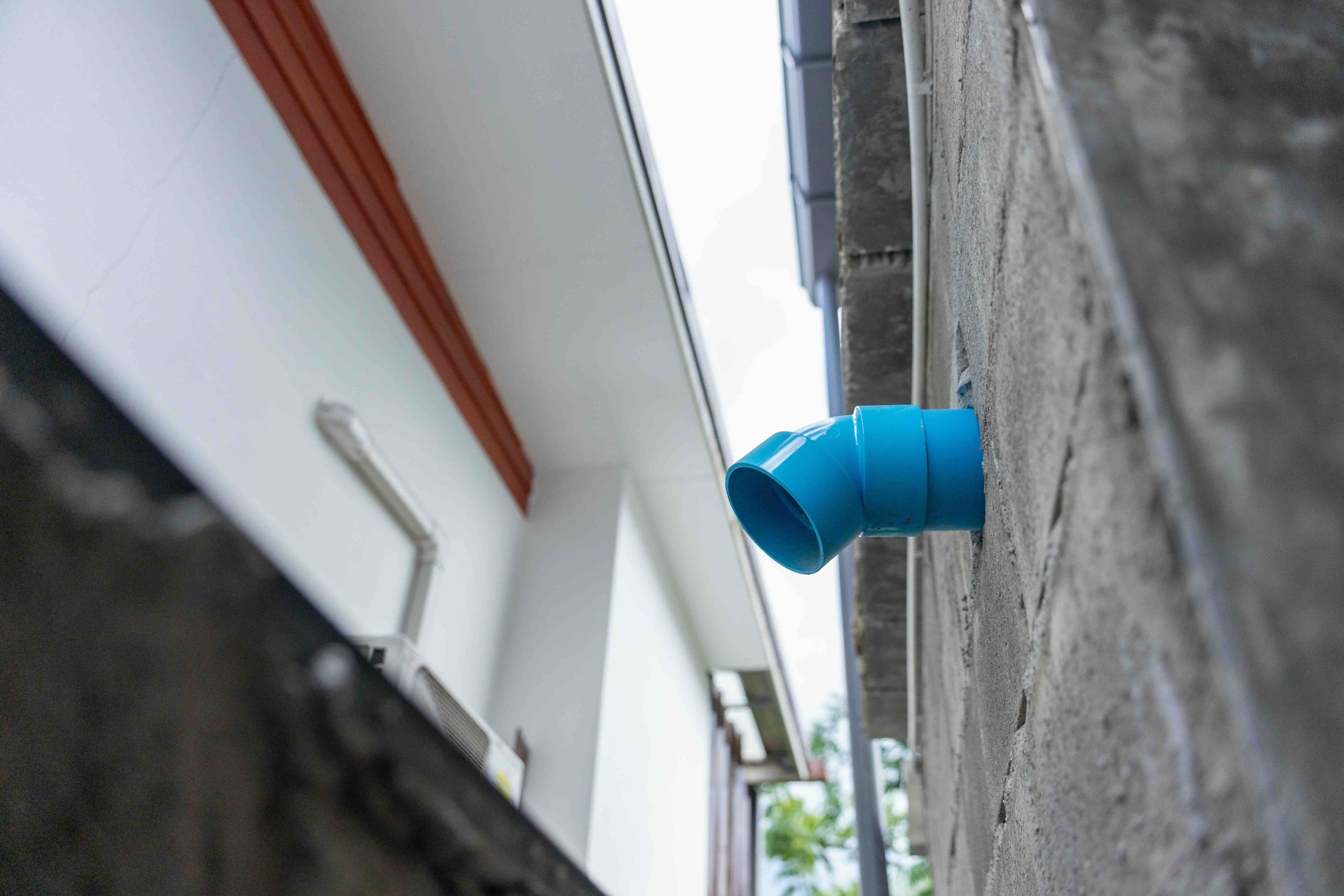
What Is a Plumbing Vent Pipe and Why Does Your Home Need One?
Most homeowners spend a fair amount of time thinking about their pipes. The ones that bring water in, the ones that carry waste out. But there is a third category that rarely gets any attention until something goes wrong, and that is the plumbing vent pipe. It sits on your roof, mostly invisible, and quietly does one of the most important jobs in your entire plumbing system. If you have ever noticed a slow drain, heard a gurgling sound in your toilet, or caught a whiff of something unpleasant near a sink, the vent pipe may be at the center of it all. Understanding what it does, how it works, and what can go wrong is genuinely useful information for any homeowner.
The Basic Function of a Plumbing Vent Pipe
A plumbing vent pipe, sometimes called a plumbing stack or drain-waste-vent pipe, is a vertical pipe that runs from your plumbing system up through the roof of your home. Its primary job is to regulate air pressure within your drain pipes. When water flows through a drain, it needs air to move efficiently. Without that airflow, you get negative pressure, and negative pressure causes all kinds of problems. The vent pipe allows fresh air to enter the system while simultaneously letting sewer gases exit safely above the roofline rather than back into your living space. It is not a glamorous system, but it is absolutely foundational to how your home’s plumbing functions day to day.
How the Plumbing Vent System Actually Works
Think of it like this. If you put your thumb over the top of a straw filled with liquid, the liquid stays suspended. Remove your thumb, and gravity does its job. Your plumbing system works on a very similar principle. The vent pipe is essentially that open end of the straw, allowing water and waste to move freely through the drain lines without creating a vacuum effect. The vent connects to the drain system through a series of branch lines, each one tied to a fixture like a toilet, sink, or shower. All of these branch vents typically connect to a main vent stack, which exits through the roof. Some homes use a single main stack while others have multiple stacks depending on the layout and size of the home.
Key Advantages of a Properly Functioning Vent Pipe
When a plumbing vent pipe is doing its job correctly, the benefits show up in ways that you probably take for granted every single day. Here is what a functional vent system delivers:
- Fast, efficient draining throughout the home without gurgling or backups
- Protection from sewer gas infiltration, including hydrogen sulfide and methane, which are both unpleasant and potentially hazardous
- Preservation of the water seals in your P-traps, which are the curved pipe sections beneath sinks and toilets that block gases from entering the home
- Reduced risk of pressure buildup that can stress pipe joints and connections over time
- Compliance with local building codes, which universally require vented plumbing systems in residential construction
A well-maintained vent system is one of those things that makes the entire plumbing network feel effortless. The moment it starts failing, though, you notice it fast.
Common Problems That Affect Plumbing Vent Pipes
Vent pipes are relatively durable but they are not immune to issues. Because they exit through the roof, they are exposed to the elements year-round. Debris like leaves, twigs, and bird nests can accumulate and partially or fully block the vent opening. In colder climates, frost can seal the pipe shut during extreme temperatures. Inside the pipe, buildup from years of use can narrow the passage and reduce airflow. There are also cases where a vent pipe was improperly installed during original construction, either undersized, incorrectly routed, or missing connections to certain fixtures entirely. Any of these scenarios can produce the same symptoms: slow drains, gurgling noises, sewer odors, and in serious cases, complete drain failure.

Signs Your Plumbing Vent Pipe May Be Blocked or Damaged
Knowing what to look for can save you a significant amount of time and money. The symptoms of a blocked or damaged vent pipe are often mistaken for other plumbing problems, which leads homeowners to address the wrong thing. Watch for persistent gurgling sounds coming from drains or toilets after use, drains that empty slowly even after cleaning, toilets that bubble when you run water in a nearby sink, and a recurring sewer smell that seems to appear without any obvious source. If multiple fixtures in your home are experiencing these issues simultaneously, that is a strong signal that the problem is systemic and likely tied to the vent stack rather than an isolated clog.
Maintenance Tips to Keep Your Vent Pipe in Good Shape
The good news is that plumbing vent pipes do not require a lot of routine maintenance. There are a few practical steps that go a long way toward preventing problems before they develop. First, include the vent pipe opening in your annual roof inspection. Look for any visible debris blocking the opening and have it cleared. Second, if you live in a region with cold winters, be aware of frost blockages and check the vent after extended freezing periods. Third, consider installing a vent cap or screen that prevents animals and large debris from entering while still allowing airflow. Finally, if your home is older, having a plumber assess the vent system as part of a general plumbing inspection is a worthwhile investment. Issues caught early are far less expensive than repairs made after the fact.
Plumbing Vent Pipe Repairs: What to Expect
When a vent pipe does need repair or clearing, the scope of work depends entirely on the nature of the problem. A simple debris blockage at the roof opening is usually straightforward and can be addressed quickly. A frost blockage may resolve on its own as temperatures rise, though some cases require pouring warm water into the pipe. When the issue involves a crack, disconnection, or improper installation deeper in the system, the repair becomes more involved. Plumbers may use a plumbing snake or auger to clear interior blockages, and camera inspections are increasingly common for diagnosing problems that are not visible from the outside. Costs can range broadly based on complexity, location, and local labor rates, which is exactly why having some form of protection in place before issues arise is worth considering.
Does a Home Warranty Cover Plumbing Vent Pipes?
This is a question that comes up often and the answer varies depending on the warranty provider and plan. Generally speaking, home warranties are designed to cover the repair or replacement of home systems and appliances that fail due to normal wear and use. Plumbing coverage under a home warranty typically includes interior drain lines, stoppages, and pipe failures that are not the result of external damage or neglect. Some plans extend this to include vent pipe components that are part of the drain-waste-vent system. It is important to review the specific terms of any home warranty plan carefully, paying close attention to what is defined as a covered component and what exclusions apply. When in doubt, ask the warranty provider directly before purchasing.
Why Armadillo Is the Right Choice for Protecting Your Home’s Plumbing System
Plumbing issues have a way of arriving at the least convenient times, and the costs associated with diagnosing and repairing something like a failed vent stack can catch homeowners completely off guard. That is where having the right coverage in place makes a real difference. Armadillo offers homeowners straightforward, honest home warranty protection designed around how people actually live. If you are looking for a home warranty plan that covers plumbing systems including drain and vent components, Armadillo is built to deliver exactly that kind of peace of mind without the fine print surprises. The process is simple and transparent from the start, and getting covered does not have to be complicated. You can get a free home warranty quote for plumbing and whole-home coverage in minutes and see exactly what is included before committing to anything. When something like a vent pipe fails, the last thing you want to be doing is scrambling for help. Having Armadillo in your corner means you already have a plan.

Frequently Asked Questions About Plumbing Vent Pipes
What is the purpose of a plumbing vent pipe?
A plumbing vent pipe regulates air pressure within the drain system, allowing waste water to flow freely while also venting sewer gases safely out of the home through the roofline.
Where is the plumbing vent pipe located in a home?
The main vent stack is typically located inside the walls and exits vertically through the roof. The pipe opening is visible on the roof surface, usually positioned near the center or rear of the home.
What happens if a plumbing vent pipe is blocked?
A blocked vent pipe causes negative air pressure in the drain lines, resulting in slow drains, gurgling sounds, sewer odor inside the home, and in severe cases, complete drain failure across multiple fixtures.
Can a blocked vent pipe cause sewer gas to enter the home?
Yes. When the vent system is compromised, the water seals in P-traps can be siphoned out, removing the barrier that normally prevents sewer gases from flowing back into the living space.
How do I know if my plumbing vent pipe is clogged?
Common indicators include gurgling toilets or drains, slow drainage throughout the home, a persistent sewer smell near sinks or floor drains, and bubbling water in the toilet bowl when other fixtures are used.
How often should a plumbing vent pipe be inspected?
A visual inspection of the roof opening should be included in your annual home maintenance routine. A professional plumbing inspection every few years is recommended for older homes or those with recurring drainage issues.
Can animals block a plumbing vent pipe?
Yes. Birds, squirrels, and other small animals can nest in or near the vent pipe opening, causing partial or complete blockages. Installing a vent cap or screen can help prevent this issue.
Is a plumbing vent pipe covered under a home warranty?
Coverage depends on the specific home warranty plan and provider. Many plans include plumbing system coverage that may extend to vent pipe components, but reviewing the policy terms carefully is essential before assuming coverage applies.
Can I clear a blocked plumbing vent pipe myself?
Minor debris blockages at the roof opening can sometimes be cleared safely if you are comfortable working on a roof. However, interior blockages or structural issues should be addressed by a licensed plumber to avoid causing further damage.
How long does a plumbing vent pipe last?
The lifespan of a vent pipe depends on the material it is made from and the conditions it is exposed to. PVC and ABS plastic vent pipes commonly used in modern construction can last several decades, while older cast iron or galvanized steel versions may show deterioration sooner and warrant closer monitoring.