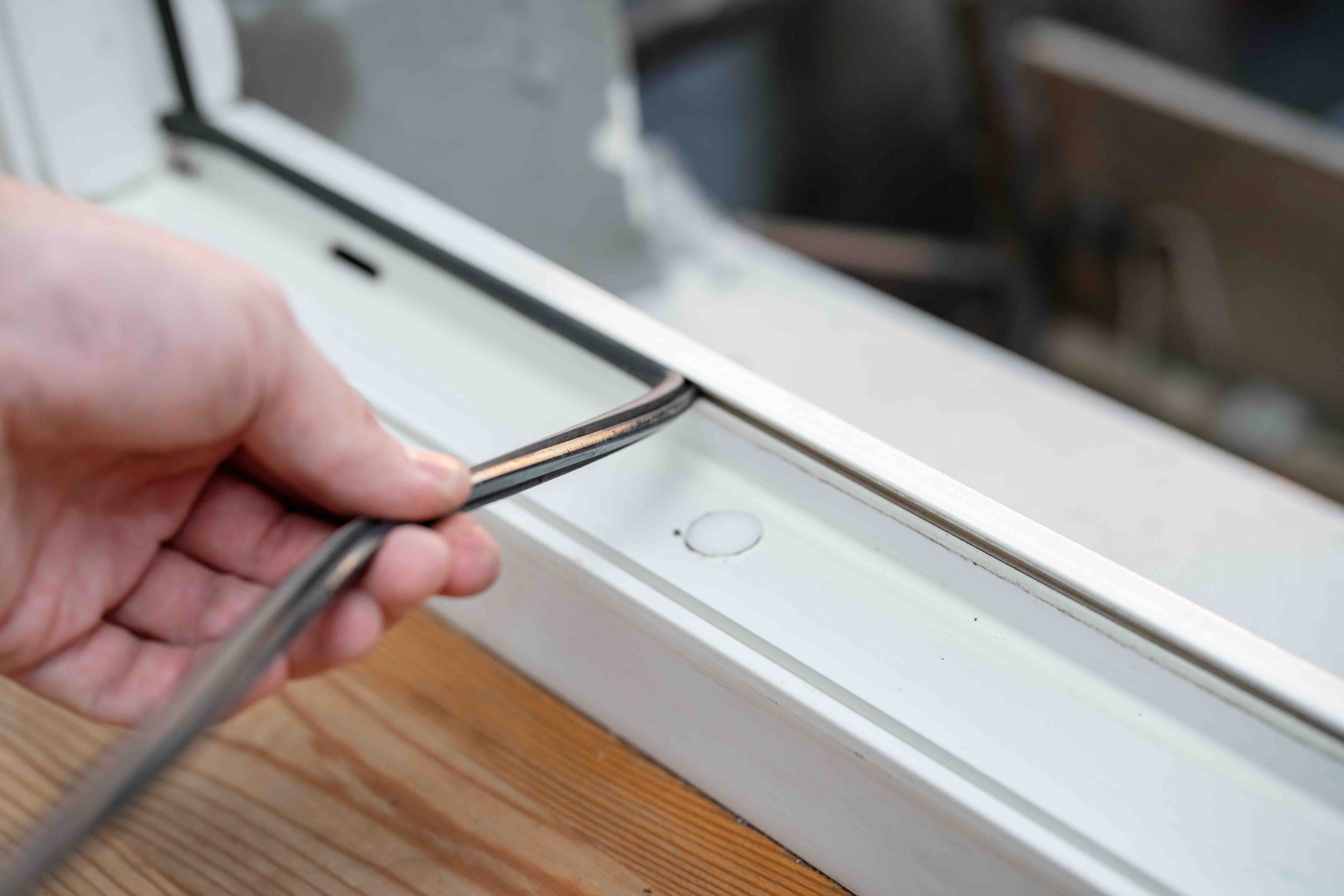
What Is a Repair Gasket and Why Does It Matter in Your Home?
Most homeowners spend a lot of time thinking about the big stuff, like HVAC systems, water heaters, and roofing. What often gets overlooked are the small components quietly doing important work behind the scenes. A repair gasket is one of those components. It is a sealing element, typically made from rubber, silicone, cork, or composite materials, that sits between two surfaces to prevent leaks of air, water, or gas. You will find gaskets in plumbing connections, appliances, HVAC equipment, water heaters, dishwashers, washing machines, and even your refrigerator. They are everywhere, and when they fail, the consequences can range from a minor inconvenience to a costly repair job.
How Repair Gaskets Work Inside Your Home Systems
The function of a gasket is straightforward, but the engineering behind it is actually pretty precise. When two surfaces are bolted or pressed together, there is almost always some microscopic irregularity between them. A gasket fills in those gaps, creating a tight seal that keeps fluid or air contained. In plumbing, gaskets are found in faucets, shutoff valves, and pipe connections. In appliances, they seal the door on your dishwasher or dryer, or the internal water lines of your refrigerator. In HVAC equipment, gaskets help seal duct connections and access panels. When a gasket wears down, hardens, or cracks, that seal breaks. What follows is often a slow leak that, if undetected, can cause water damage, energy inefficiency, or appliance malfunction.
Common Signs That a Gasket Needs Repair or Replacement
Catching a failing gasket early can save a homeowner significant money and stress. The signs are not always dramatic, which is actually part of the challenge. Here is what to watch for across different systems and appliances in your home:
- Visible moisture or water pooling near appliances, pipe joints, or under sinks
- Refrigerator door gaskets that feel loose, torn, or no longer create suction when closed
- A dishwasher that leaks from the door during a wash cycle
- Rising energy bills without a clear explanation, often tied to HVAC gasket failure
- Musty smells around washing machines or under kitchen appliances
- Visible cracking, brittleness, or deformation in any rubber seal you can inspect
If you notice any of these warning signs, it is worth taking a closer look or calling a professional before the issue escalates into something more expensive.
Types of Gaskets Found in Residential Homes
Not all gaskets are created equal. The material and design depend entirely on what the gasket is meant to seal and what conditions it will face. Rubber gaskets are the most common in residential plumbing and appliances because rubber is flexible, waterproof, and relatively affordable. Silicone gaskets are used in higher-temperature applications, like around ovens or certain water heater connections, because silicone can withstand heat that would cause standard rubber to degrade. Foam gaskets are common in HVAC ductwork and door seals, where compression over a large surface area is needed. Cork gaskets appear in older plumbing systems and certain mechanical connections. Understanding the type of gasket in a specific system helps when sourcing a replacement and ensures the repair holds up over time.

Key Advantages of Addressing Gasket Repairs Promptly
There is a real temptation to put off small repairs, especially when a leak looks minor or an appliance still seems to be functioning. But gasket repairs are one of those situations where acting fast actually pays off. First, the repair itself is usually inexpensive compared to the damage a prolonged leak can cause. Water that seeps behind a dishwasher or under a washing machine over months can warp flooring, promote mold growth, and even compromise structural elements. Second, a properly sealed system runs more efficiently. A refrigerator with a faulty door gasket runs its compressor harder to maintain temperature, which shortens the appliance’s lifespan and increases your electricity bill. Third, identifying a gasket failure early often means a simple DIY fix or a quick, affordable service call rather than a full appliance replacement.
The Drawbacks and Limitations Homeowners Should Know
Gasket repairs are generally manageable, but there are some real challenges worth acknowledging. For starters, gaskets are not always easy to access. In complex appliances or tightly configured plumbing systems, reaching the failed gasket may require disassembly that is beyond the comfort level of most homeowners. Sourcing the right replacement gasket can also be a frustration, particularly for older or less common appliances where parts are discontinued or hard to find. There is also the risk of misdiagnosis. What looks like a gasket leak might actually be a crack in a pipe, a failed valve, or a more serious internal malfunction. Installing a new gasket over a misdiagnosed problem does not solve anything and can delay a proper fix. When in doubt, a licensed plumber or appliance technician should assess the situation.
DIY vs. Professional Gasket Replacement
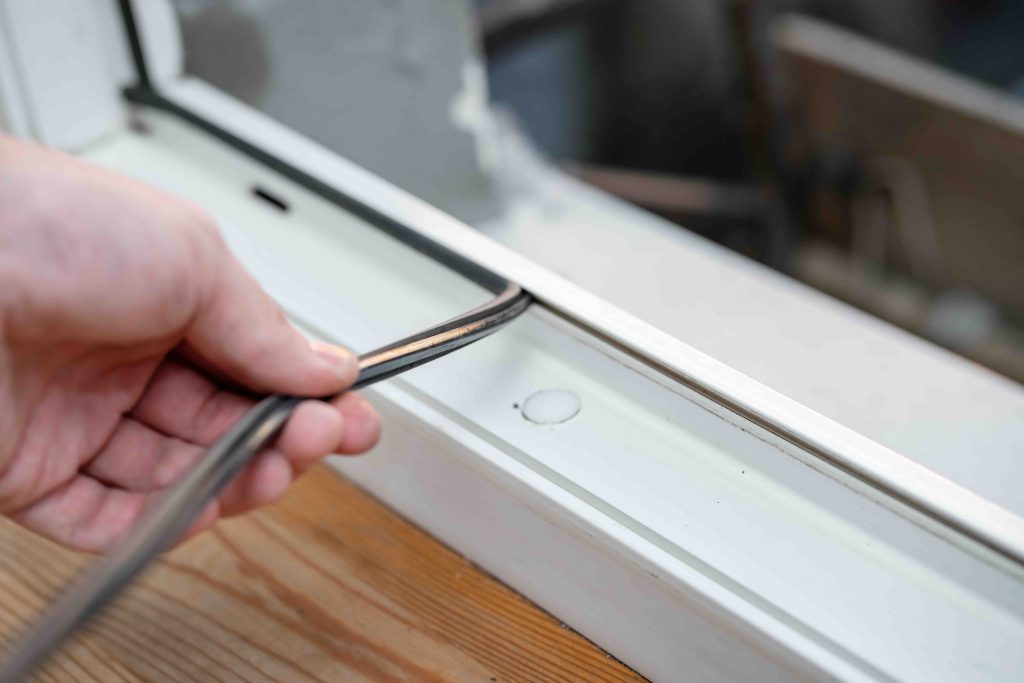
Some gasket replacements are genuinely DIY-friendly. Replacing a refrigerator door gasket, for example, typically involves removing the old seal from a channel around the door and pressing a new one into place. Faucet gaskets inside compression-style faucets are also commonly replaced by homeowners with basic tools. However, gaskets inside water heaters, gas appliances, or complex HVAC equipment should always be handled by a licensed technician. Working with gas lines or high-voltage appliances without proper training creates serious safety risks. A good rule of thumb is this: if the gasket is visible, accessible, and the surrounding system is low-risk, a careful DIY approach can work. If the system involves gas, electricity, or pressurized water beyond basic fixtures, bring in a professional.
How Home Warranty Coverage Relates to Gasket Failures
This is where things get interesting for homeowners who have a home warranty plan. Many appliance and system failures that stem from gasket degradation are covered under a comprehensive home warranty, but the specifics depend heavily on the plan and the provider. Generally speaking, if a gasket fails as part of a covered appliance, such as a dishwasher, washing machine, or refrigerator, and that failure is due to normal wear and tear, a quality home warranty plan should cover the diagnosis and repair. What is typically excluded is cosmetic damage or damage caused by improper installation or misuse. Understanding your coverage before something goes wrong is genuinely important, because a gasket failure in the right appliance at the wrong time could lead to a repair bill that a warranty would have otherwise handled.
Practical Tips for Maintaining Gaskets and Extending Their Lifespan
Prevention is always better than repair, and gasket maintenance is one of the easier preventive tasks a homeowner can take on. Wiping refrigerator door gaskets regularly with warm water and mild soap prevents the buildup of food residue that accelerates cracking and deformation. Applying a thin layer of petroleum jelly to rubber gaskets on appliances once a year can help maintain flexibility and extend their useful life. For plumbing, checking under sinks and around toilets every few months allows you to catch early signs of moisture before a gasket failure turns into water damage. During annual appliance maintenance checks, ask a technician to inspect gaskets as part of the overall service. These small habits are low-effort and genuinely reduce the likelihood of a more expensive problem down the road.
Why Armadillo Is the Right Partner When Gasket Failures Lead to Bigger Repairs
When a gasket gives out in a covered appliance or home system, the last thing you want is to navigate the repair process alone and out-of-pocket. That is exactly the kind of situation a home warranty is designed to address. Armadillo provides straightforward, honest home warranty coverage that protects homeowners from the unexpected costs of normal wear and tear, including appliance failures that start with something as simple as a degraded seal. If you are looking for a reliable home warranty plan that covers appliance and system breakdowns, Armadillo offers transparent plans with no surprise exclusions buried in the fine print. There are no gimmicks here, just practical protection built for the way real homeowners live. When you are ready to stop guessing what your coverage actually includes, take a moment to get a free home warranty quote for appliance and system repair coverage and see exactly what a plan would cost you. Armadillo makes it easy to understand what is covered, what is not, and what you can expect when something in your home needs attention.

Frequently Asked Questions About Repair Gaskets in the Home
What is a repair gasket used for in a home?
A repair gasket creates a watertight or airtight seal between two joined surfaces in plumbing connections, appliances, HVAC systems, and water heaters to prevent leaks and maintain system efficiency.
How long does a gasket typically last in home appliances?
Most residential gaskets last between five and fifteen years, depending on the material, the appliance, usage frequency, and environmental conditions like heat and humidity exposure.
Can a faulty gasket increase my energy bills?
Yes. A failing refrigerator door gasket, for example, allows cold air to escape, forcing the compressor to work harder and consuming more electricity than a properly sealed unit would.
Is replacing a gasket a DIY-friendly repair?
Some gasket replacements, like refrigerator door seals or basic faucet gaskets, are manageable for homeowners with basic tools. Gaskets in gas appliances, water heaters, or complex HVAC equipment should be handled by a licensed technician.
How do I know if my appliance has a gasket leak?
Look for moisture or pooling water near appliances, reduced appliance performance, higher energy use, or visible cracking and deformation in the rubber or silicone seals around doors and connections.
Does a home warranty cover gasket repairs?
It depends on the warranty plan. If a gasket fails due to normal wear and tear in a covered appliance or system, many home warranty plans will cover the diagnosis and repair costs. Review your plan details carefully.
What materials are residential gaskets made from?
Residential gaskets are commonly made from rubber, silicone, cork, foam, or composite materials. The material used depends on the application and the temperature, pressure, and moisture conditions the gasket must endure.
Can a gasket failure cause water damage to my home?
Yes. A slow leak caused by a failing gasket under a dishwasher, washing machine, or sink can, over time, warp flooring, promote mold growth, and damage walls or cabinetry if left unaddressed.
How much does it typically cost to replace a gasket in a home appliance?
Gasket replacement costs vary widely. A refrigerator door gasket may cost between twenty and one hundred dollars in parts, while a dishwasher or washing machine gasket repair with labor could range from seventy-five to two hundred fifty dollars depending on the appliance and technician rates in your area.
How often should I inspect the gaskets in my home?
A general inspection of visible gaskets around appliances and plumbing fixtures every three to six months is a reasonable maintenance habit. Annual professional appliance servicing should also include a check of all internal and external seals.