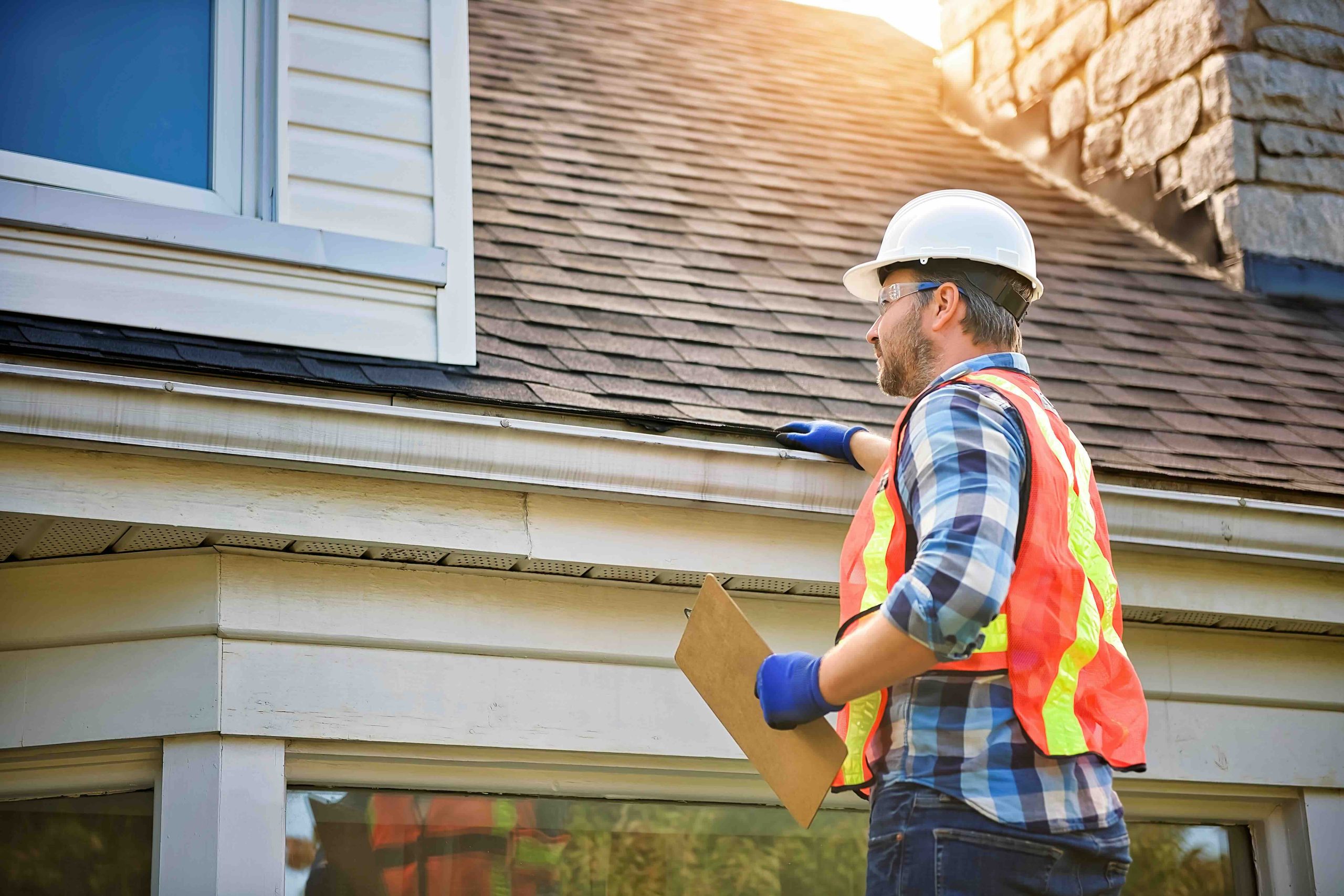
What Is a Roof Inspection and Why Does It Matter for Your Home?
Your roof does something remarkable every single day. It takes the full force of whatever the sky throws at it, rain, wind, hail, ice, and relentless sun, and it does all of that quietly, without any thanks. Most homeowners never think about their roof until water starts coming through the ceiling, and by that point, the damage has usually been building for months. A roof inspection is the process of evaluating your roofing system to identify existing damage, potential vulnerabilities, and areas that need repair or maintenance before they escalate into costly problems. It is, without exaggeration, one of the smartest things a homeowner can do to protect a property investment.
How a Roof Inspection Actually Works
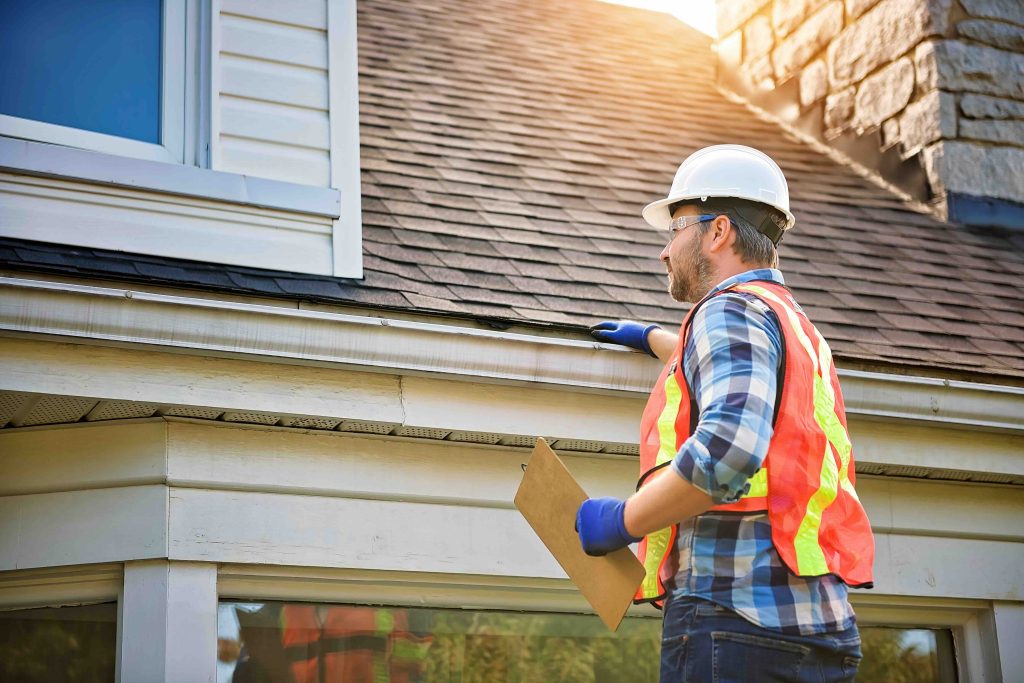
A professional roof inspection involves a trained contractor or inspector examining every component of your roofing system, both from the exterior and sometimes from inside the attic. On the outside, inspectors check for missing, cracked, or curling shingles, deteriorated flashing around chimneys and vents, sagging areas, moss or algae growth, and the overall condition of gutters and drainage. From the attic, they assess ventilation, insulation, signs of moisture intrusion, and structural integrity. Some inspectors use drone technology or thermal imaging to catch issues that are not visible to the naked eye. A typical inspection takes anywhere from 45 minutes to a few hours depending on the size and complexity of the roof. At the end, you should receive a written report outlining findings and recommended repairs.
The Different Types of Roof Inspections
Not all roof inspections are created equal, and knowing the difference helps you choose the right one for your situation. A physical inspection is the traditional hands-on approach where an inspector walks the roof surface. A drone inspection uses aerial equipment to capture high-resolution imagery without requiring anyone to physically climb the roof. This is especially useful for steep pitches or roofs that are difficult to access safely. A thermal or infrared inspection uses specialized cameras to detect heat signatures that indicate trapped moisture beneath the surface. Each type serves a purpose, and in some cases, inspectors combine methods for a more complete picture of the roof’s condition.

Key Advantages of Regular Roof Inspections
Scheduling a roof inspection on a regular basis delivers benefits that extend well beyond just avoiding leaks. Staying ahead of your roof’s condition protects your home from the inside out, and the financial case for doing so is hard to argue with.
- Early detection of minor damage prevents small issues from turning into full-blown structural failures.
- Regular inspections can extend the overall lifespan of your roofing system by years.
- Documentation from inspections supports homeowner insurance claims by providing a record of the roof’s condition before a weather event.
- Inspections can reveal ventilation problems that contribute to higher energy bills and premature material wear.
- If you are buying or selling a home, a recent inspection adds credibility and transparency to the transaction.
Common Issues Found During Roof Inspections
Inspectors see patterns, and there are problems that come up time and time again regardless of roof age or region. Granule loss on asphalt shingles is one of the most common findings, a sign that the material is aging and losing its protective coating. Flashing failures around chimneys, skylights, and roof valleys are another frequent culprit behind leaks that homeowners often attribute to the shingles themselves. Improper or blocked ventilation is also surprisingly common, leading to moisture buildup and accelerated deterioration of roofing materials from beneath. Fascia and soffit damage, moss growth, and clogged gutters pulling away from the roofline round out the usual list of findings. None of these issues are necessarily catastrophic on their own, but left unaddressed, each one can compound over time.
How Much Does a Roof Inspection Cost?
This is where homeowners often get pleasantly surprised. A professional roof inspection typically ranges from $150 to $400, though pricing varies based on location, roof size, and inspection type. Some roofing contractors offer free inspections, particularly after a significant weather event, though it is worth understanding that a contractor conducting a free inspection may have a financial interest in recommending repairs or replacement. Independent inspectors or certified home inspectors generally provide the most objective assessments. Either way, the cost of an inspection is marginal compared to the average roof repair, which can run anywhere from a few hundred dollars for minor patching to several thousand for significant structural work. The inspection pays for itself quickly when it catches something early.
How Often Should You Schedule a Roof Inspection?
Industry guidance generally recommends having your roof inspected at least once every two years under normal conditions. However, a few specific circumstances call for more immediate attention. After any major storm involving high winds, hail, or heavy snow accumulation, an inspection is warranted regardless of how recently your last one occurred. If your roof is over 15 years old, annual inspections make a great deal of sense given that most asphalt shingle roofs carry a lifespan of 20 to 30 years. You should also consider an inspection if you notice any interior signs of moisture, such as water stains on ceilings, peeling paint near the roofline, or unexplained increases in heating and cooling costs. Proactive scheduling beats reactive panic every time.
The Drawbacks and Limitations to Keep in Mind
Roof inspections are valuable, but they are not a guarantee. An inspection captures the condition of a roof at one specific point in time, and certain types of damage can be difficult to detect even by experienced professionals. Hidden moisture damage beneath roofing layers, for example, may not become apparent until it has already caused meaningful harm. Additionally, inspection quality varies significantly between providers. A thorough, certified inspector using proper methodology delivers very different results than someone doing a quick visual scan from the ground. Homeowners should also be aware that a clean inspection report does not mean the roof is impervious to future damage. Weather events can cause sudden, significant damage without any prior warning signs, which is exactly why having financial protection in place matters.
Why Home Warranty Coverage Makes Sense Alongside Roof Maintenance
Even the most diligent homeowner cannot prevent every roofing problem, and that is a frustrating reality. You can inspect religiously, repair proactively, and still find yourself dealing with an unexpected issue that comes with an unwelcome price tag. That is where home warranty protection for roofing systems and major home components becomes a genuinely smart part of any homeownership strategy. Armadillo offers straightforward, transparent home warranty coverage designed to protect you from the financial shock of covered repairs and replacements. No runaround, no fine print designed to confuse. If you want to know exactly what it would cost to protect your home starting today, get a free home warranty quote tailored to your home and location in just a few minutes. Your roof works hard for you. Having the right coverage in place means you are not left scrambling when something goes wrong.

Frequently Asked Questions About Roof Inspections and Home Protection
Here are answers to the questions homeowners ask most often about roof inspections, repairs, and what it all means for protecting their home long-term.
How long does a professional roof inspection take?
Most professional roof inspections take between 45 minutes and two hours, depending on the size of the roof, its pitch, and how complex the system is. Larger homes or those with multiple roof sections may take longer.
Can I inspect my own roof without hiring a professional?
You can perform a basic visual check from the ground using binoculars to look for obvious missing shingles or visible damage. However, a professional inspection is far more thorough and identifies issues that are not visible without actually accessing the roof and attic space.
What time of year is best for a roof inspection?
Spring and fall are ideal seasons for roof inspections. Spring allows you to assess any damage from winter weather, while a fall inspection helps you identify vulnerabilities before the cold months ahead.
Does homeowners insurance cover roof inspections?
Standard homeowners insurance does not typically cover the cost of an inspection itself. However, insurance may cover repairs resulting from sudden, accidental damage such as storm or hail impact, depending on your policy terms and the age of your roof.
What is the difference between a roof inspection and a roof appraisal?
A roof inspection assesses the physical condition of roofing materials and systems. A roof appraisal, which is less common, focuses on the monetary value of the roof as part of a broader property valuation. Inspections are far more common and directly relevant to maintenance decisions.
How do I find a qualified roof inspector?
Look for inspectors who are certified through organizations such as the National Roofing Contractors Association or those who are licensed general contractors with documented roofing experience. Certified home inspectors with roofing expertise are also a solid option for an unbiased assessment.
What happens after a roof inspection finds damage?
The inspector will provide a written report detailing the damage found, its severity, and recommended next steps. From there, you can obtain repair estimates from licensed roofing contractors and prioritize work based on urgency.
Does a new roof still need to be inspected?
Yes. Installation errors, improper flashing, and material defects can occur even on brand-new roofs. Having a new roof inspected within the first year confirms that the installation was completed correctly and gives you a documented baseline for future comparisons.
Can roof damage affect my homeowners insurance rates?
Yes, it can. Insurance companies may increase premiums, limit coverage, or decline to renew a policy if a roof is found to be in poor condition. Some insurers require an inspection before issuing or renewing coverage on older homes.
What is the average lifespan of a residential roof?
Most asphalt shingle roofs last between 20 and 30 years under normal conditions. Metal roofs can last 40 to 70 years, while tile and slate options often exceed 50 years. Regular inspections and timely repairs play a significant role in achieving the upper end of those ranges.