What Is Sewer Line Snaking and Why Does Your Home Need It?
There is a moment most homeowners dread: water backing up in the sink, a toilet that will not flush properly, or a smell coming from the drain that you really cannot ignore. These are not random inconveniences. They are usually early signals that your sewer line needs attention. One of the most common and effective solutions for clearing a blocked sewer line is a process called snaking, and understanding what it involves can save you a significant amount of time, money, and stress. If you own a home, this is genuinely worth understanding.
What Exactly Is a Sewer Line Snake?
A sewer line snake, sometimes called a drain snake or plumbing auger, is a long, flexible metal cable that is fed into a drain or sewer pipe to physically break up or retrieve whatever is causing a blockage. The snake is either hand-cranked or motorized, and it works by rotating through the pipe until it reaches the clog, then either breaking the obstruction apart or latching onto it so it can be pulled out. It is a straightforward concept, honestly, but the execution requires some skill, particularly when the blockage is deep in the line or the pipe has bends and joints along the way. Professionals use commercial-grade snakes that are considerably more powerful than the consumer versions available at hardware stores.
How the Sewer Line Snaking Process Works Step by Step
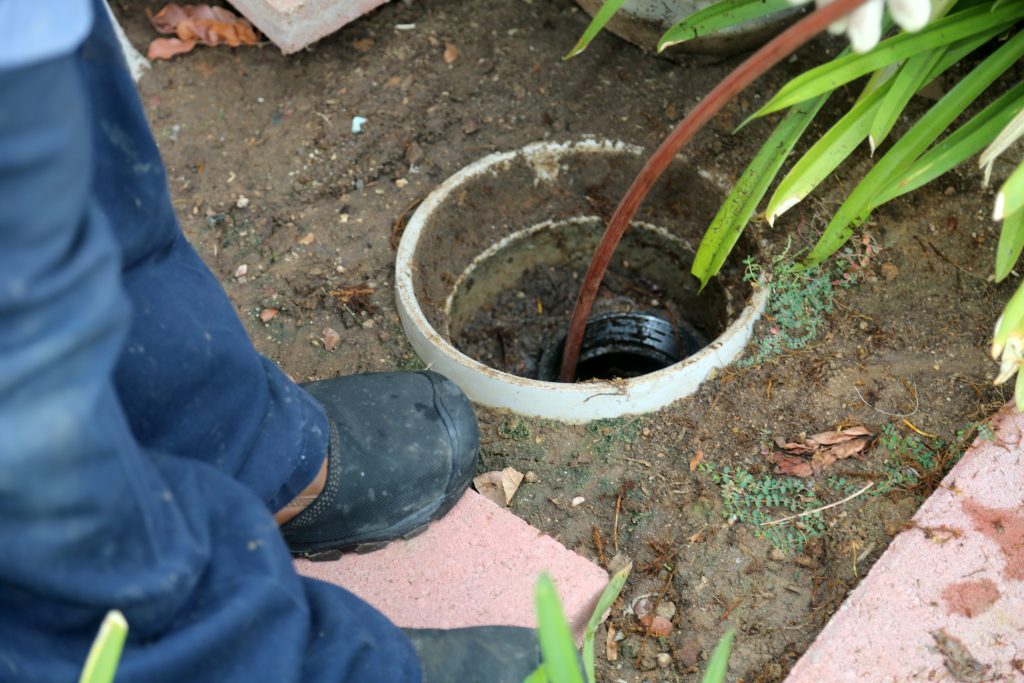
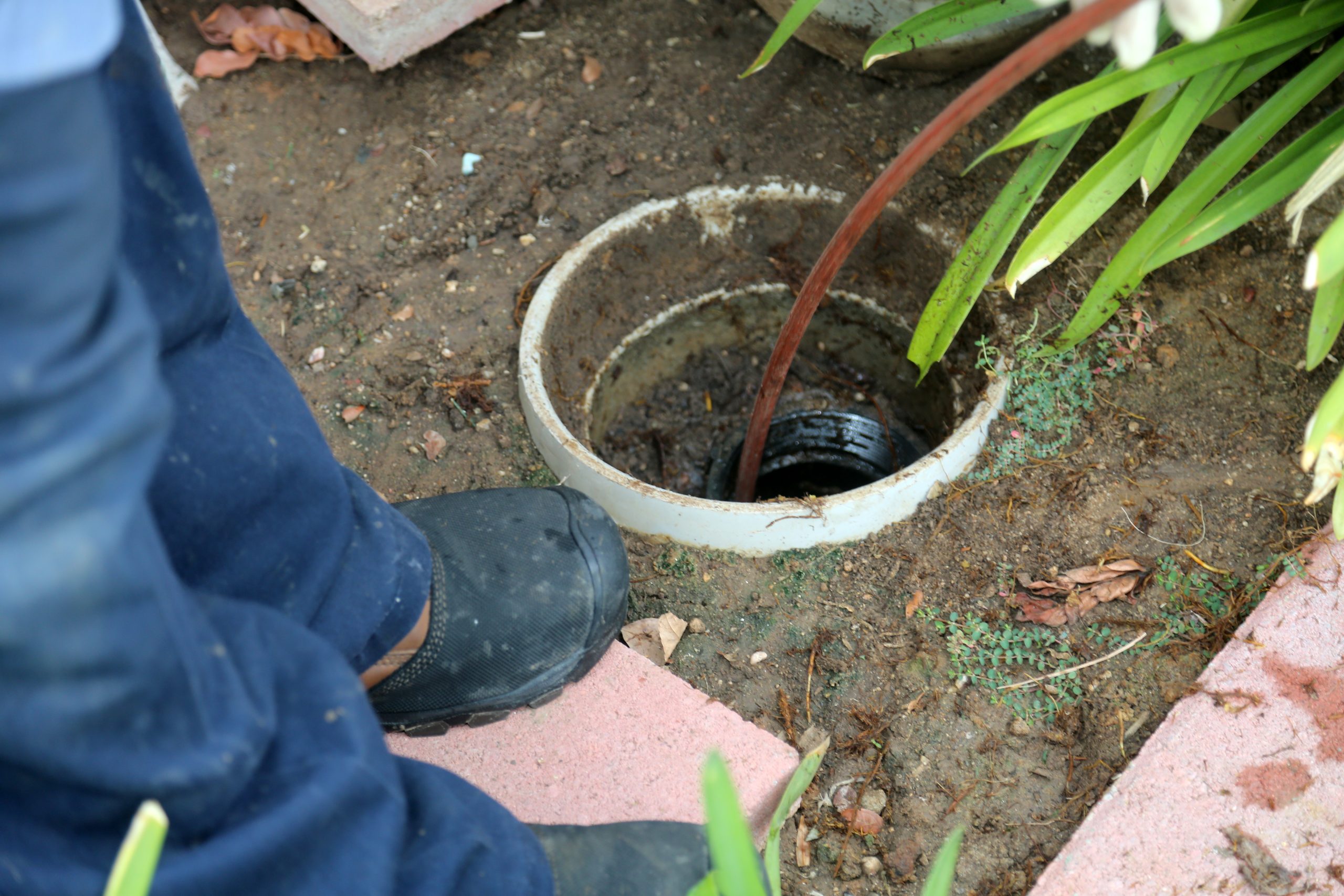
The process begins with identifying the access point, which is usually a cleanout cap located near the foundation of the home or in the yard. A plumber or technician will remove this cap and insert the snake cable into the pipe. As the cable advances through the line, it navigates curves and joints in the pipe until it contacts the blockage. At that point, the rotating head of the snake works to break up the clog, which might be a buildup of grease, a mass of hair and soap scum, tree root intrusion, or a combination of materials. Once the obstruction is cleared or removed, water is run through the line to confirm that flow has been restored. The entire process can take anywhere from thirty minutes to a couple of hours depending on the severity and location of the blockage.

The Key Advantages of Snaking a Sewer Line
Snaking is widely used for good reason. It is effective, relatively affordable, and minimally invasive compared to other methods. Here is a look at the primary benefits:
- Cost-effective compared to hydro-jetting or pipe replacement
- No excavation required in most standard blockage scenarios
- Fast turnaround, often completed within a single service visit
- Safe for most pipe materials including older clay and cast iron pipes
- Immediate restoration of drain flow in the majority of cases
For routine blockages caused by organic buildup or soft debris, snaking is typically the right first move. It addresses the problem directly without the need for extensive equipment or significant disruption to your property.
Common Drawbacks and Limitations to Be Aware Of
Snaking is not a universal fix, and it is worth being clear about that. While it handles soft blockages well, it has real limitations when dealing with more serious plumbing issues. A snake can punch through a grease blockage, for example, but it does not remove all the buildup coating the inside of the pipe walls. That residue can accumulate again fairly quickly. Additionally, if the blockage is caused by significant tree root infiltration or a collapsed section of pipe, snaking may only provide temporary relief at best. In those situations, a more thorough solution such as hydro-jetting or pipe repair may be necessary. Snaking also cannot diagnose the underlying condition of your pipes, which is why a camera inspection is often recommended alongside or following the procedure.
Snaking vs. Hydro-Jetting: Understanding the Difference
These two methods are often compared, and knowing when each is appropriate matters. Snaking physically breaks up or removes blockages using a rotating cable. Hydro-jetting uses high-pressure water to scour the interior walls of the pipe clean, removing not just the clog but the buildup surrounding it. Hydro-jetting is more thorough but also more expensive, and it is not always suitable for older or fragile pipes that may not withstand the pressure. A qualified plumber can assess which approach is right based on the pipe material, age, and severity of the problem. For most first-time or moderate blockages, snaking is the appropriate starting point.
Signs Your Sewer Line Might Need Snaking
Catching a developing blockage early can prevent a full sewer backup, which is both costly and genuinely unpleasant to deal with. The following warning signs suggest it may be time to call a plumber for a sewer line inspection or snaking service:
- Multiple drains in the home are slow simultaneously
- Gurgling sounds coming from toilets or floor drains
- Sewage odor near floor drains or in the yard
- Water backing up in the tub or shower when the toilet is flushed
- Recurring blockages in the same drain over a short period
When only one drain is slow, the issue is often localized. When multiple fixtures are affected at the same time, the problem is likely in the main sewer line and needs professional attention promptly.
Practical Tips for Maintaining Your Sewer Line Between Service Visits
Prevention is always less expensive than repair. Once your sewer line has been cleared, there are habits and practices that can significantly reduce the likelihood of another blockage forming. Avoid pouring cooking grease or oils down any drain, as these solidify inside pipes and create stubborn accumulations over time. Use drain screens in showers and sinks to catch hair and debris before it enters the plumbing system. Be cautious about what goes down the toilet; items marketed as flushable, including many wipes, are a frequent cause of sewer line problems. If your property has mature trees, periodic camera inspections of your sewer line can catch root intrusion before it becomes a serious issue. Scheduling a routine snaking every few years is also a reasonable preventive measure, particularly in older homes.
How a Home Warranty Can Help Cover Sewer Line Issues
Here is where things get particularly relevant for homeowners who want financial protection against plumbing surprises. Sewer line problems are among the more expensive repairs a homeowner can face, and they tend to happen without much warning. A home warranty that includes sewer line coverage can step in to cover the cost of snaking, clearing blockages, and in some cases, addressing damage to the line itself. That kind of coverage transforms an unexpected and stressful expense into a manageable service call. It is the difference between scrambling to find funds for an emergency repair and simply making a single call to get things handled.
If sewer line protection matters to you, and it really should, Armadillo home warranty plans built around real plumbing coverage are worth a serious look. Armadillo takes a straightforward approach to home warranties, offering clear coverage terms without the fine print runarounds that frustrate so many homeowners. When a sewer line backup or blockage strikes, having the right plan in place means a trained professional is dispatched quickly, without the financial panic that usually accompanies unexpected plumbing failures. You can get a sewer line home warranty quote in seconds and see exactly what your home could be covered for before anything goes wrong.

Frequently Asked Questions About Sewer Line Snaking
Answers to the most common questions homeowners have about sewer line snaking, drain clearing, and plumbing maintenance.
How much does it typically cost to snake a sewer line?
The cost to snake a sewer line generally ranges from $150 to $500 depending on the severity of the blockage, the depth of the clog, and your geographic location. Main sewer line jobs that require commercial-grade equipment tend to cost more than clearing a simple drain.
How long does sewer line snaking take?
Most sewer line snaking jobs are completed within one to two hours. Simple blockages near the access point may take less time, while deep or complex clogs can extend the service visit.
Can I snake my own sewer line?
Consumer-grade drain snakes are available at hardware stores and can handle minor blockages in sink and shower drains. However, main sewer line blockages typically require professional equipment and expertise to clear effectively and safely.
How often should a sewer line be snaked as preventive maintenance?
Most plumbing professionals recommend having your main sewer line inspected or snaked every one to three years as a preventive measure, particularly in homes with older pipes or large trees on the property.
Will snaking a sewer line damage my pipes?
When performed correctly by a qualified professional, snaking is safe for most pipe materials. However, improperly used snakes can scratch or damage pipe walls, which is one reason professional service is recommended over DIY attempts on main lines.
What is the difference between a drain snake and a sewer snake?
A drain snake is typically a shorter, lighter tool used for localized clogs in sinks and tubs. A sewer snake is a longer, more powerful cable designed to reach and clear blockages deep within the main sewer line.
Does snaking a sewer line also clean the pipe walls?
No. Snaking clears the blockage but does not remove the buildup coating the inside of the pipe walls. For a more thorough clean, hydro-jetting is the preferred method, as it scours the interior surface of the pipe.
What causes sewer line blockages in the first place?
The most common causes include grease accumulation, hair and soap buildup, tree root intrusion into older pipes, flushing of non-flushable materials, and the gradual deterioration of pipe walls over time.
Does a home warranty cover sewer line snaking?
Coverage varies by provider and plan. Some home warranties include sewer line clearing and blockage removal as part of their plumbing coverage. Reviewing the specific terms of any plan before purchasing is essential to confirm what is and is not covered.
When should snaking be followed by a camera inspection?
A camera inspection is recommended when blockages are recurring, when snaking does not fully restore flow, or when tree root intrusion or pipe damage is suspected. The inspection provides a visual assessment of the pipe’s internal condition that a snake alone cannot offer.