Should You Cover Your Air Conditioner in Winter? Here Is What Homeowners Need to Know
Every fall, homeowners start asking the same question: should I cover my air conditioner before winter hits? It seems like a reasonable thing to do. The unit sits outside, temperatures drop, and the instinct to protect it makes total sense. But the answer is a little more layered than a simple yes or no. Understanding what your AC unit is actually built to handle, and what covering it might do for or against it, can save you from making a well-intentioned mistake. Let us break this down the right way.
What Happens to Your Air Conditioner in Cold Weather
Central air conditioner units, specifically the outdoor condenser units, are engineered to live outside year-round. Manufacturers build them with weather-resistant materials designed to withstand rain, wind, and even snow. So the equipment itself is not as fragile as it might look sitting out there exposed. That said, winter does bring a few legitimate concerns worth paying attention to. Ice accumulation, debris from falling leaves and branches, and moisture that gets trapped inside the unit are the main culprits behind cold-weather wear. None of these are guaranteed to destroy your system, but they are worth managing smartly.
The Case for Covering Your Outdoor AC Unit
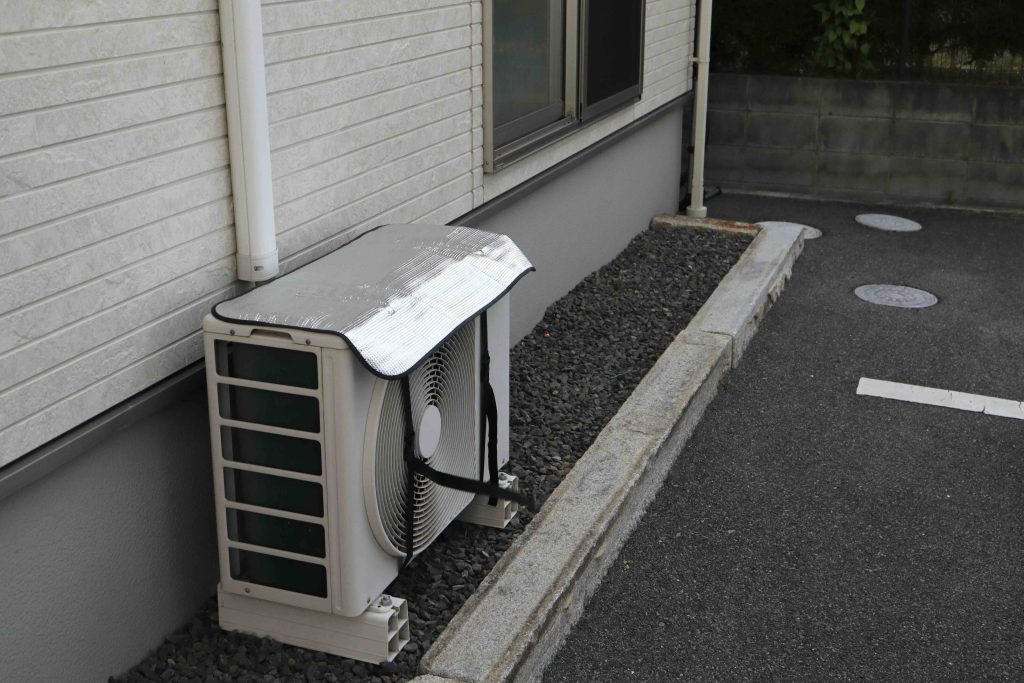
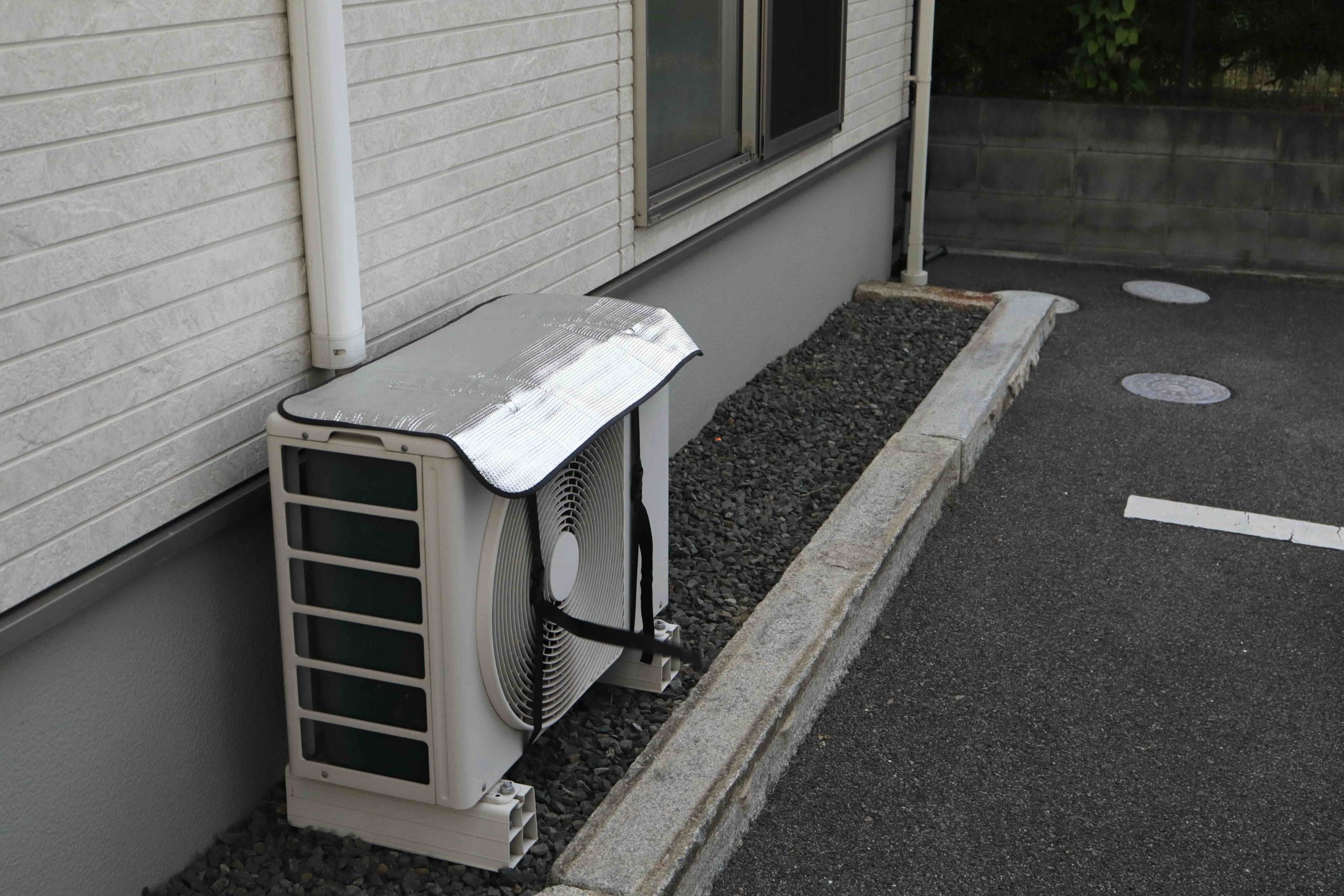
There are situations where covering an outdoor AC unit makes real practical sense. If your unit is positioned directly beneath a tree that drops heavy branches or large amounts of debris, a cover can keep the interior fins and coils clear. Similarly, if you live in a region that sees extremely heavy snowfall or hail, a top-only cover can reduce impact damage to the top panel. The key word there is top-only. Many HVAC professionals recommend covering just the top of the unit rather than wrapping the entire thing, and there is a good reason for that distinction.
Why Full Covers Can Actually Cause Problems
Here is where a lot of homeowners get tripped up. Wrapping the entire unit in a cover, especially a tight-fitting one, creates a warm, dark, enclosed space that is genuinely inviting to rodents and insects looking for a winter home. Mice, in particular, love to nest inside covered AC units. They chew through wiring, insulation, and other components, often causing damage that far exceeds anything the winter weather would have done on its own. Beyond pest concerns, full covers trap moisture inside the unit, which accelerates rust and corrosion on internal components. The unit needs some airflow even when it is not running.
What Your AC Unit Is Actually Built to Handle
Most residential condenser units are tested and rated for outdoor installation in climates that experience full seasonal changes. The coils, the fan motor, the refrigerant lines, and the outer casing are all designed with temperature variation in mind. Rain, frost, and even a layer of snow sitting on top of the unit are generally not going to cause damage. What the unit is not invincible against is physical impact from branches and debris, or the kind of pest intrusion that a poorly applied cover can invite. Knowing that distinction helps you make smarter decisions about how, or whether, to protect it.

Best Practices for Winterizing Your Air Conditioner
There are a handful of steps that make a real difference when it comes to protecting your AC system through the colder months. These are not complicated, but they are easy to skip if you are not thinking about them.
- Turn off the power to the unit at the disconnect box before temperatures drop consistently below freezing. This prevents the unit from accidentally turning on during a warm winter day and pulling in refrigerant-damaging cold air.
- Clear away any leaves, dirt, or debris that have collected around the base of the unit before covering or leaving it for the season.
- If you choose to cover the unit, use a breathable, mesh-style cover or a simple piece of plywood weighted down on top to block debris without sealing in moisture.
- Check on the unit periodically throughout winter, especially after heavy storms, to make sure nothing has accumulated or shifted.
- Schedule a professional tune-up in the spring before you fire the system back up for the first time.
Signs Your AC Unit May Have Sustained Winter Damage
Even with the best winterizing habits, things happen. When spring arrives, before you flip the switch on your air conditioner, take a walk around the unit and do a visual check. Look for bent or crushed fins on the coil, which can happen from ice or debris. Check for any visible signs of rodent activity, such as chewed wires or nesting material visible through the grate. Look for rust or corrosion that seems more extensive than typical surface weathering. If anything looks off, call an HVAC technician before running the system. Catching a problem before the first hot day of the year is always easier than diagnosing it in a heat emergency.
How Home Warranties Factor Into AC Protection
Winterizing your AC is about prevention, but prevention only goes so far. Equipment fails. Components wear out. Compressors, fan motors, and electrical parts can give out regardless of how well you maintain the system, and repair costs for central air conditioning can be significant. This is exactly the kind of scenario a home warranty is built for. A quality home warranty plan covers the mechanical failure of major systems and appliances, including your air conditioning, so that when something breaks down, you are not scrambling to cover a large repair bill out of pocket. It is the layer of financial protection that sits behind your maintenance routine.
Common Misconceptions About Covering AC Units in Winter
A few widely repeated myths about winter AC covers are worth addressing directly. First, the idea that covering the unit will extend its lifespan is not necessarily true if the cover is trapping moisture or attracting pests. Second, some homeowners assume that any cover is better than no cover, but a poor-quality or improperly fitted cover can cause more harm than leaving the unit exposed. Third, there is a belief that air conditioners need to be completely shut down and sealed off for winter, but for most climates, the unit simply needs the power disconnected and occasional debris cleared. The goal is protection from physical hazards, not hibernation.
Why Armadillo Is the Right Home Warranty Partner for Your HVAC System
When your air conditioner fails mid-July or your heating system goes out on a cold winter night, the last thing you want to be doing is negotiating repair costs or searching for a reliable technician. That is where Armadillo home warranty coverage for HVAC systems and major appliances makes a genuine difference. Armadillo is built around transparency, speed, and coverage that actually shows up when you need it. No confusing exclusions buried in the fine print, no runaround when something breaks. If you want real protection for your air conditioner, heating system, and the other major systems in your home, you can get a personalized home warranty quote for your air conditioning and home systems coverage in minutes and know exactly what you are getting before you commit. That kind of clarity is rare in this industry, and it is exactly what homeowners deserve.

Frequently Asked Questions About Covering Your AC Unit in Winter
These are the questions homeowners ask most often when it comes to winterizing their air conditioning units and understanding what kind of protection they actually need.
Should I cover my outdoor AC unit in the winter?
It depends on your local climate and your unit’s surroundings. Covering just the top of the unit to block heavy debris and hail can be beneficial, but fully enclosing it can trap moisture and attract pests, which may cause more damage than the weather itself.
Will snow damage my air conditioner?
In most cases, no. A moderate amount of snow resting on or around the unit will not harm it. Outdoor condenser units are manufactured to handle cold temperatures and precipitation. Ice buildup over time or heavy impact from falling ice or branches is more of a concern.
When should I turn off power to my AC unit for winter?
Turn off the power at the disconnect box near the unit once you are confident that consistent warm weather is over for the season. This prevents the unit from accidentally activating on a warm winter day and drawing refrigerant in cold conditions that can harm the compressor.
What kind of cover should I use on my AC unit?
If you choose to use a cover, opt for a breathable cover made from mesh or a similar material, or simply place a piece of plywood weighted on top to block debris. Avoid airtight covers that wrap the full unit, as these create conditions that invite moisture damage and rodent nesting.
Can mice or rodents damage my AC unit in winter?
Yes, and this is one of the more underappreciated risks. Rodents seek warm, enclosed spaces in winter. A fully covered AC unit can attract them. They chew through wiring and insulation, causing damage that can be costly to repair. Keeping the unit uncovered or using only a top cover reduces this risk significantly.
Does a home warranty cover AC repair and replacement?
A quality home warranty plan typically covers mechanical failure of your air conditioning system, including components like the compressor, fan motor, and electrical parts. Coverage details vary by provider and plan, so reviewing what is included before purchasing is important.
How do I prepare my AC unit for spring after a long winter?
Start by doing a visual inspection of the unit for physical damage, debris buildup, or signs of pest activity. Remove any cover you used. Restore power at the disconnect box. Then schedule a professional HVAC inspection and tune-up before the first hot day of the year to make sure the system is operating efficiently and safely.
Is it normal for my AC unit to have some rust after winter?
Minor surface rust on external metal components is not uncommon and is generally not a sign of serious damage. However, extensive rust or corrosion, especially on internal parts, can indicate a moisture problem, possibly worsened by an airtight cover. A technician can assess whether any rust is impacting performance.
Can I run my AC unit in cold weather?
Running a standard central air conditioner when outdoor temperatures are below approximately 60 degrees Fahrenheit is not recommended. It can cause the refrigerant pressure to drop and damage the compressor. If you need to test your system in cool weather, do so briefly and at a mild temperature setting.
How often should I have my AC unit professionally serviced?
Most HVAC professionals recommend a professional inspection and tune-up at least once a year, ideally in the spring before heavy summer use. Regular maintenance helps catch small issues before they become expensive repairs and keeps your system running efficiently throughout the season.