When the Kitchen Sink Stops Draining: What Every Homeowner Should Know
A clogged kitchen sink with a garbage disposal is one of those household problems that sneaks up on you. One minute everything is fine, and the next you are staring at a sink full of standing gray water that is going absolutely nowhere. It is frustrating, yes, but it is also one of the more manageable plumbing issues a homeowner can face, provided you understand what you are dealing with and how to approach it correctly. This article breaks down the how, the why, and the when behind unclogging a kitchen sink with a disposal, and explains exactly where a home warranty fits into the picture.
How a Garbage Disposal Actually Works
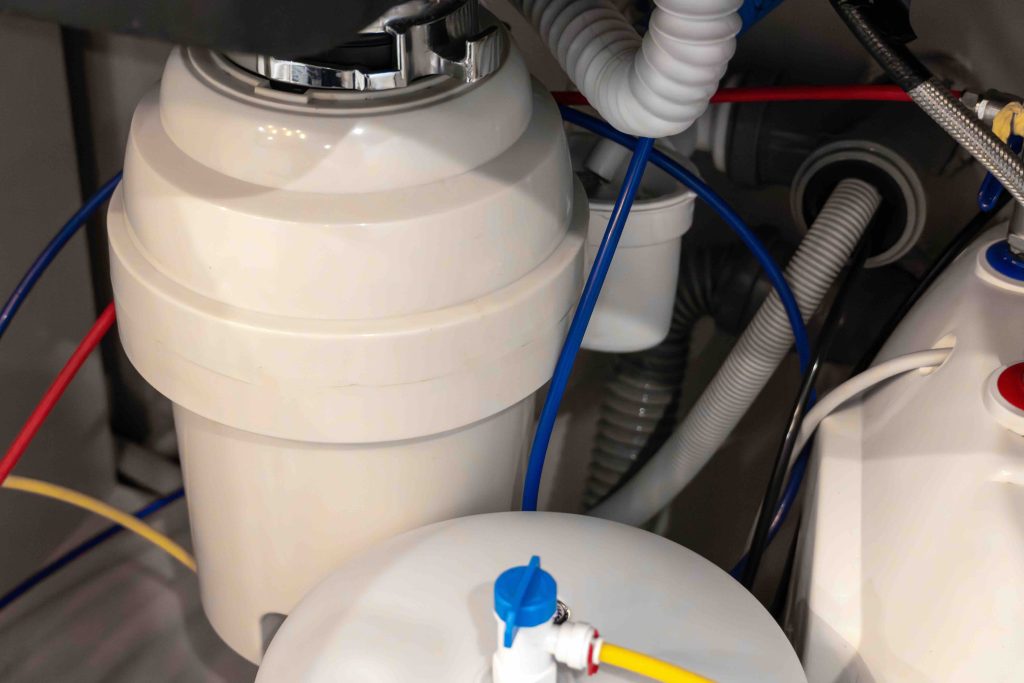
Before diving into clogs, it helps to understand the system you are working with. A garbage disposal is an electric appliance mounted beneath your kitchen sink, between the drain and the drain trap. When activated, it uses a spinning plate and impellers to grind food waste into fine particles small enough to pass through your plumbing. The motor drives everything, and the unit connects directly to your home’s drain line. It sounds simple, and mechanically it is, but that same simplicity means a lot can go wrong when the wrong materials enter the unit or when buildup accumulates over time.
Common Reasons Your Disposal Sink Gets Clogged
Clogs in a sink with a garbage disposal usually come from one of a few predictable sources. Understanding the culprit helps you fix the problem faster and prevent a repeat. Here are the most common causes homeowners encounter:
- Grease, oils, and fats poured down the drain that solidify inside the pipes
- Fibrous vegetables like celery, artichokes, or corn husks that wrap around the impellers
- Starchy foods such as pasta, rice, and potato peels that expand and create paste-like blockages
- Eggshells or coffee grounds that accumulate in the trap over time
- Running the disposal without sufficient water to flush particles through the line
Most of these situations are preventable, but when they happen, knowing the right steps to take makes all the difference between a quick fix and a bigger repair bill.
Step-by-Step: How to Unclog a Kitchen Sink With a Disposal
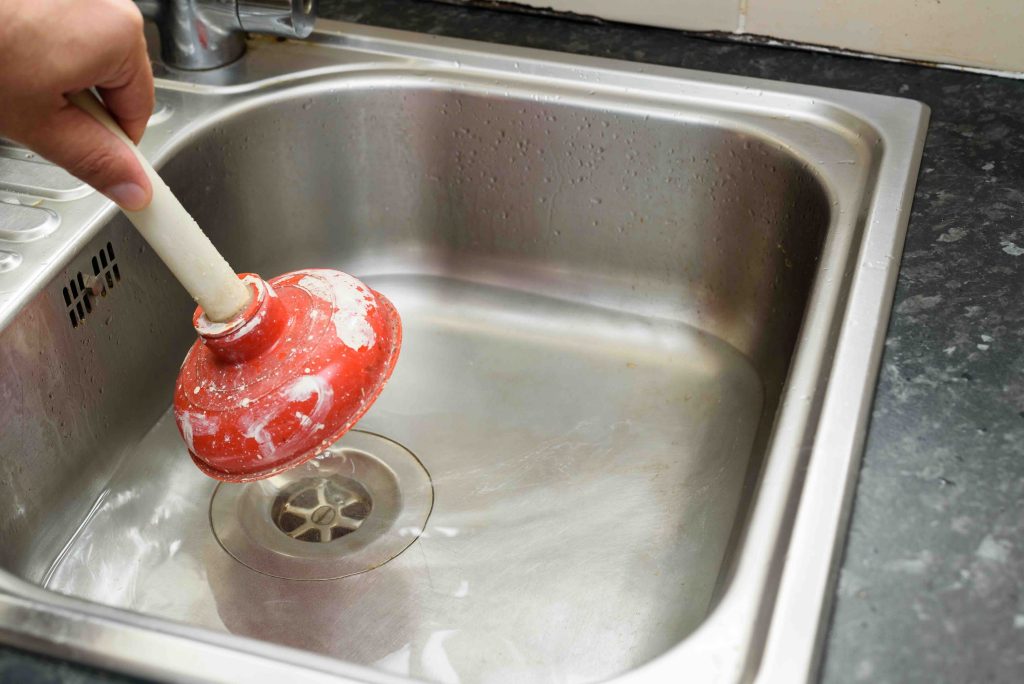
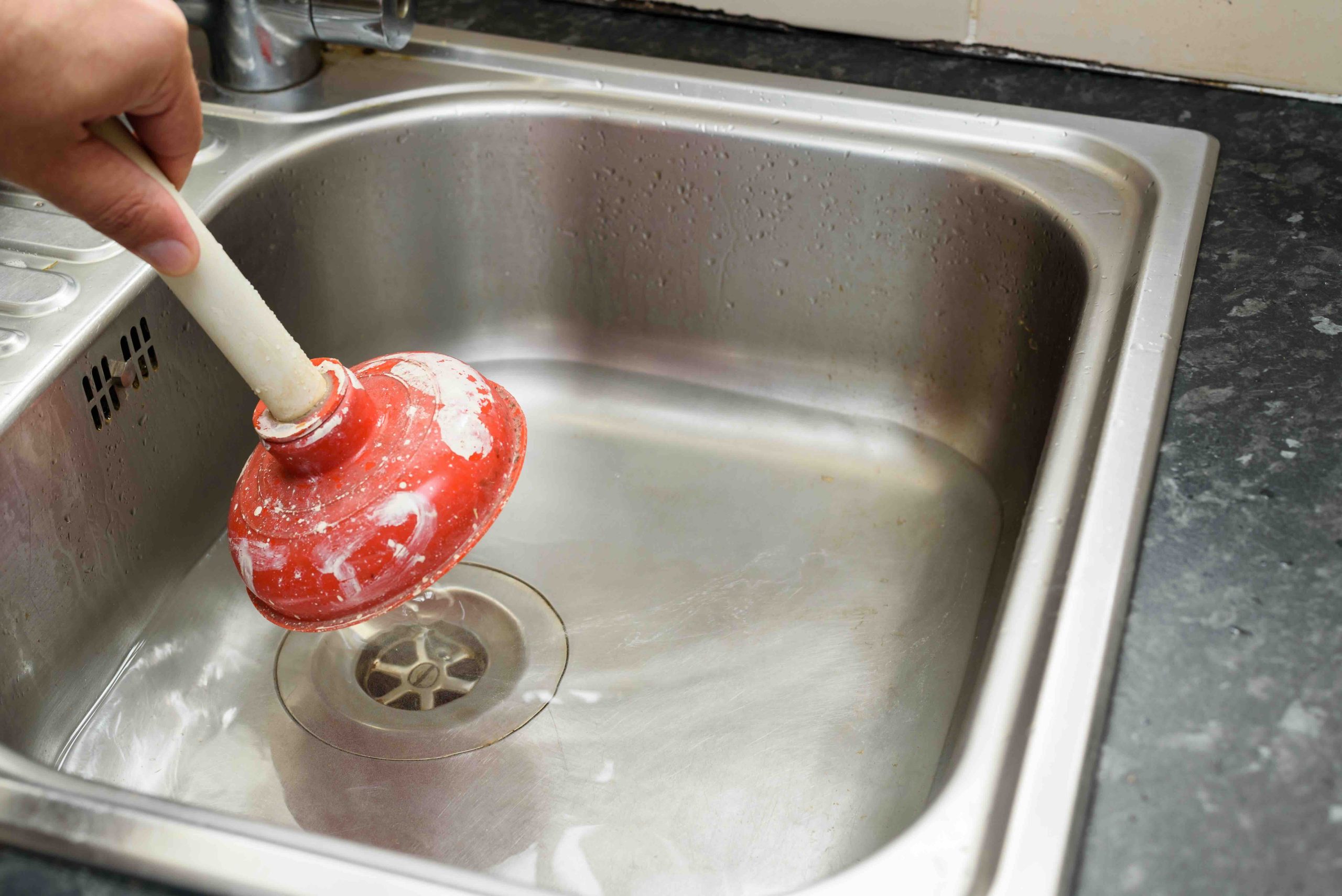
The good news is that many kitchen sink clogs involving a garbage disposal can be resolved without calling a plumber. Start by turning off the disposal and unplugging it from the outlet beneath the sink. Safety first, always. Next, check if the disposal itself is jammed by using the hex wrench that came with the unit. Insert it into the socket at the bottom center of the disposal and work it back and forth to free any stuck impellers. Most disposals also have a red reset button on the bottom, which you should press after freeing a jam. Once the disposal is cleared, address the drain clog itself. Plunge the sink using a cup plunger with the other drain blocked, if you have a double sink. You can also pour a mixture of baking soda followed by white vinegar down the drain, let it sit for fifteen to twenty minutes, and flush with hot water. If the clog persists, the issue is likely in the P-trap, which is the curved pipe beneath the sink. Place a bucket underneath, unscrew the trap, clear the blockage manually, and reassemble. This process handles the majority of disposal-related clogs effectively.
What Not to Do When Dealing With a Disposal Clog
There are a handful of approaches homeowners reach for instinctively that can actually make things worse. Chemical drain cleaners like those containing lye or sulfuric acid can damage the rubber gaskets and internal components of your disposal. Avoid them entirely. You should also never reach into the disposal with your hand, even when it is unplugged. Impellers are sharp. Additionally, do not run the disposal repeatedly when water is backing up, as this can worsen the jam or cause the motor to overheat and trip the reset. Patience and process matter more than force in this situation.

When the Clog Is a Symptom of Something Bigger
Sometimes a persistently clogged kitchen sink points to a deeper plumbing issue. If water is also backing up in other drains, such as the bathroom sink or the bathtub, the blockage may be in the main drain line rather than the kitchen specifically. Gurgling sounds coming from other drains when you run the kitchen sink are another indicator. In these cases, a plumber with a drain snake or hydro-jetting equipment is the appropriate solution. DIY methods will not reach a clog that is further down the line, and repeated attempts without professional intervention can sometimes push blockages deeper into the system.
Signs Your Garbage Disposal Needs Repair or Replacement
Not every disposal problem is a clog. Some symptoms suggest the unit itself is failing and needs attention beyond a basic unclogging procedure. Watch for these warning signs:
- Frequent resetting required, which suggests motor strain or electrical issues
- Persistent humming without the unit actually grinding, indicating a seized motor
- Water leaking from the unit itself, not from the drain connections
- Loud grinding or rattling noises that suggest damaged internal components
- A unit that is more than ten to twelve years old and experiencing repeated problems
If the disposal is showing multiple signs of wear simultaneously, replacement is often more cost-effective than repair, particularly for older units.
Preventing Future Kitchen Sink Clogs With a Disposal
The best clog is the one that never happens. A few consistent habits will dramatically reduce how often you find yourself dealing with a backed-up sink. Always run cold water before, during, and for about thirty seconds after running the disposal. Cold water keeps fats solid so they grind and flush rather than coat the interior of your pipes. Cut larger food scraps into smaller pieces before feeding them into the unit rather than pushing large volumes in at once. Avoid the foods mentioned earlier, especially fibrous or starchy materials. Running ice cubes through the disposal periodically helps clean the impellers. And once a month, drop a small amount of dish soap into the running disposal while flushing with water to clear residue from the interior walls.
The Financial Side: What Disposal Repairs and Replacements Cost
Costs vary depending on the scope of the issue. A simple P-trap clearing might cost nothing if you handle it yourself. If a plumber needs to snake the drain, expect to pay somewhere in the range of one hundred to two hundred fifty dollars. A garbage disposal replacement, depending on the model you select and local labor rates, typically runs between one hundred fifty and four hundred dollars installed. These costs can feel manageable in isolation, but when you consider that a homeowner faces multiple systems and appliances aging simultaneously, those expenses add up quickly over the course of a year. That is exactly where a home warranty becomes a practical financial tool.
How Armadillo Home Warranty Supports Kitchen Appliance Coverage
When your garbage disposal fails due to normal wear and tear, a home warranty through Armadillo home warranty plans for kitchen appliances and plumbing systems can cover the cost of repair or replacement, so you are not paying out of pocket every time something stops working. Armadillo was built around the idea that homeowners deserve straightforward, honest coverage without the runaround. No confusing policy language, no vague exclusions that surface only when you file a claim. The coverage is clear, the service is responsive, and the value is real. Whether it is your disposal, your dishwasher, or your HVAC system acting up, Armadillo handles the coordination so you do not have to. If you have been putting off getting coverage because you assumed the process was complicated, it is worth knowing that you can get a customized home warranty quote for kitchen and plumbing system protection in just a few minutes. A clogged sink is inconvenient. An unexpected repair bill on top of everything else on your plate is genuinely stressful. Having a plan in place changes that dynamic entirely.

Frequently Asked Questions About Unclogging a Kitchen Sink With a Disposal
Real questions homeowners ask, answered clearly and directly.
Can I use a chemical drain cleaner to unclog a sink with a garbage disposal?
No. Chemical drain cleaners can damage the rubber seals and internal components of your garbage disposal, and they are rarely effective on the type of clogs that form around a disposal unit. Use mechanical methods like plunging or clearing the P-trap instead.
Why is my garbage disposal humming but not grinding?
This usually means the disposal motor is receiving power but the grinding plate is jammed and cannot spin. Use the hex wrench at the base of the unit to manually free the jam, then press the reset button before turning it back on.
How do I know if the clog is in the disposal or further down the drain line?
If water backs up only in the kitchen sink, the clog is likely in the disposal itself or the P-trap. If water backs up in multiple drains throughout the home, the blockage is probably further down in the main drain line.
Is it safe to put baking soda and vinegar down a garbage disposal drain?
Yes. A baking soda and vinegar flush is a safe and effective method for breaking up soft clogs and clearing minor buildup inside the drain. Follow it with hot water to flush the loosened material through.
How often should I clean my garbage disposal to prevent clogs?
A basic cleaning once a month is generally sufficient for most households. Running ice cubes through the disposal, followed by dish soap and cold water, helps remove buildup from the impellers and interior walls.
What foods should never go in a garbage disposal?
Avoid grease, oils, fats, fibrous vegetables like celery and artichokes, starchy foods like pasta and potato peels, coffee grounds, and eggshells. These materials either wrap around components, expand inside pipes, or accumulate into blockages over time.
Does a home warranty cover garbage disposal repair or replacement?
Many home warranty plans cover garbage disposals as part of kitchen appliance or plumbing system coverage, provided the failure results from normal wear and tear. Coverage specifics vary by plan, so reviewing policy details before purchasing is always a good practice.
How long does a garbage disposal typically last?
A well-maintained garbage disposal usually lasts between ten and fifteen years. Units that are used heavily, maintained poorly, or frequently jammed may fail sooner.
When should I call a plumber instead of trying to fix the clog myself?
Call a plumber if the clog persists after you have cleared the P-trap and run a plunger, if water is backing up in multiple drains, if you notice gurgling from other fixtures, or if there is any sign of water leaking from the disposal unit itself.
Can a clogged garbage disposal cause damage to the dishwasher?
Yes. Most dishwashers drain through the garbage disposal or into the same drain line. A clogged disposal can cause water to back up into the dishwasher, potentially leading to standing water in the appliance or ineffective draining after a wash cycle.