What Is a Water Heater Reset Thermal Switch and Why Should You Care?
If your water heater suddenly stops producing hot water, the culprit is often something most homeowners have never heard of — the reset thermal switch. It is a small but genuinely important safety component, and understanding how it works can save you a service call, a cold shower, or in some cases, a much larger problem. The reset thermal switch is one of those things that hides quietly behind a panel until the moment it becomes the most important part of your morning.
How the Reset Thermal Switch Works Inside Your Water Heater
The reset thermal switch — sometimes called the high-limit switch or the emergency cutoff switch — is a safety device built into most electric water heaters. Its job is to monitor the temperature of the water inside the tank. When the water temperature climbs too high, typically above 180 degrees Fahrenheit, the switch trips and cuts power to the heating elements. This prevents the water from reaching a dangerous temperature that could cause scalding, tank damage, or in extreme cases, a pressure-related failure. Once the switch trips, the unit will not resume heating until someone manually resets it by pressing the small red button located behind the access panel on the front of the unit.
Why Does the Reset Button Trip in the First Place?
This is the part that catches most homeowners off guard. The reset button tripping once is not automatically cause for alarm, but it does mean something caused the water temperature to spike. There are a few common reasons this happens, and it is worth knowing what they are before you just press the button and walk away.
- A faulty thermostat that is not regulating temperature correctly and is allowing the water to overheat
- A shorted or failing heating element that stays on longer than it should
- A loose wiring connection causing electrical irregularities inside the unit
- A defective reset switch itself, which may be tripping even when temperatures are within normal range
- Sediment buildup at the bottom of the tank that is causing uneven heat distribution
If the switch trips repeatedly — say, more than once or twice within a short period — that is a clear signal that something needs professional attention. A switch that keeps tripping is doing its job, but it is also telling you that the underlying issue has not been resolved.
How to Reset a Water Heater Thermal Switch Safely
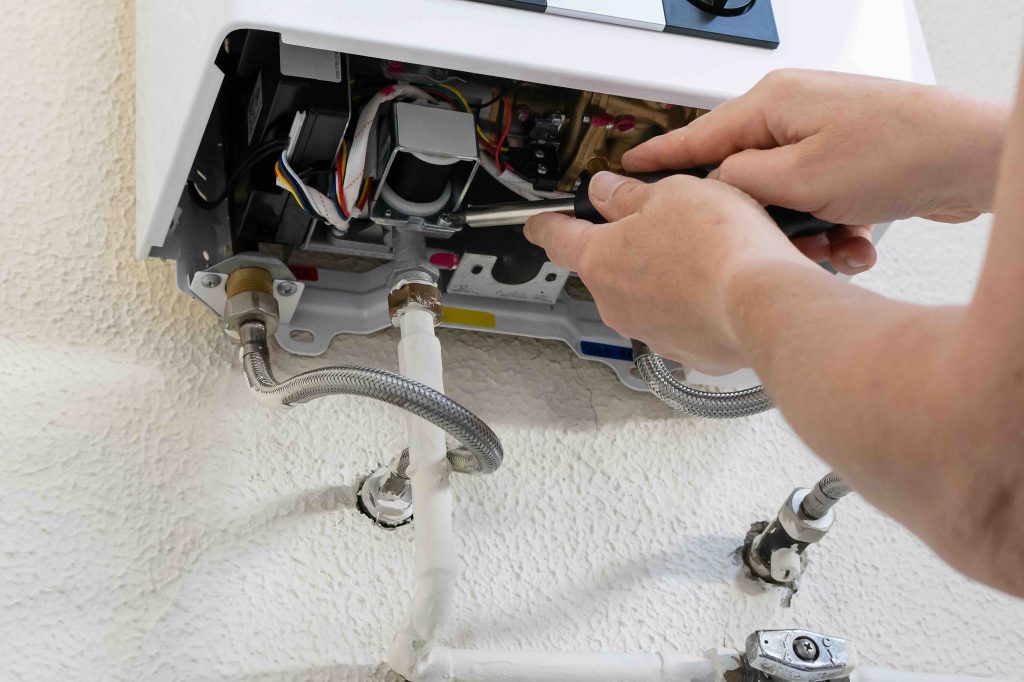
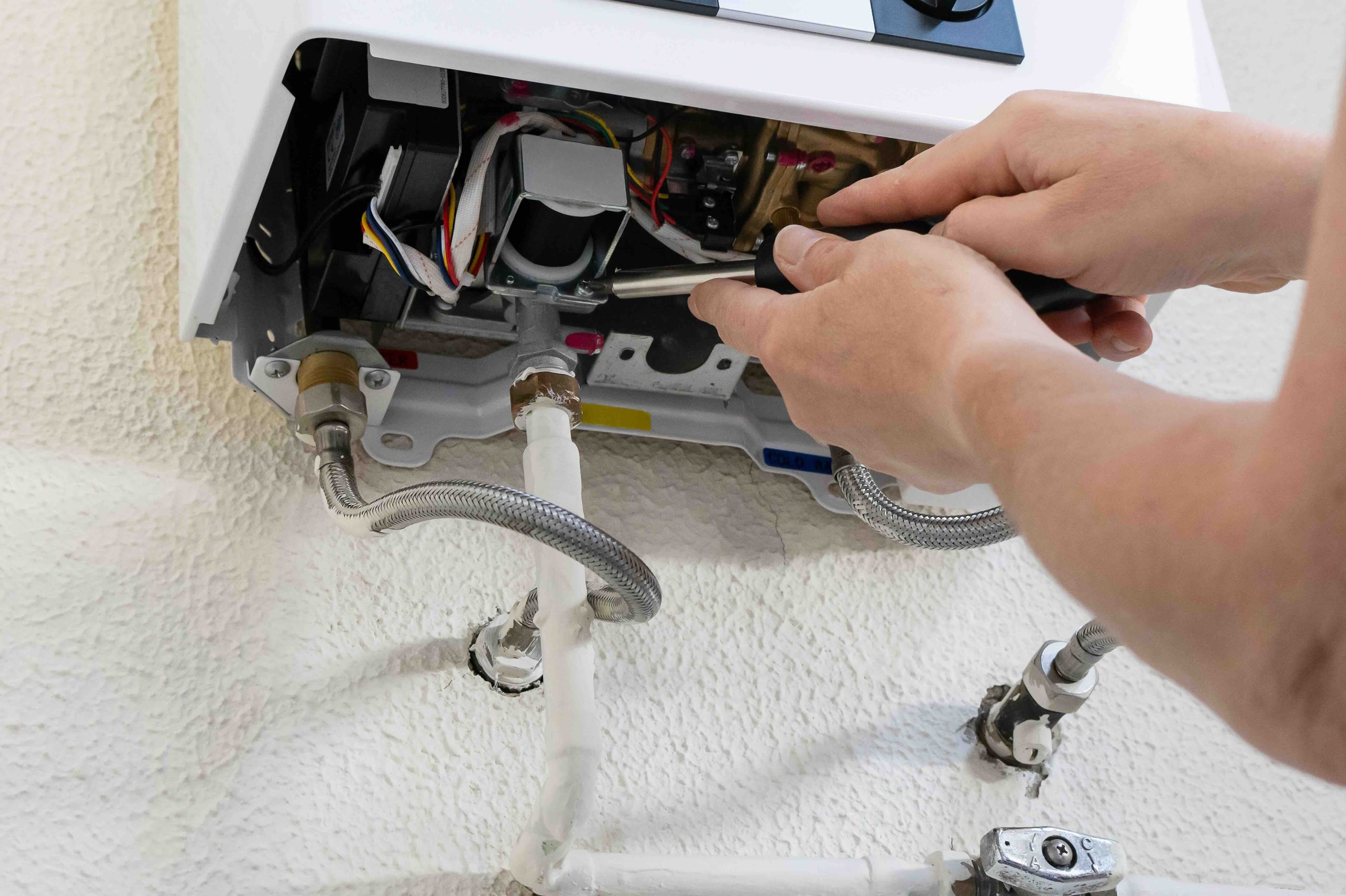
Resetting the switch is a relatively simple process, but it should be done with care. First, turn off the power to the water heater at the circuit breaker before doing anything else. Then remove the access panel on the front of the unit — most models have one or two panels, and the reset button is typically found behind the upper panel. You may need to move some insulation aside to see it. The button itself is usually red and clearly labeled. Press it firmly until you hear or feel it click into place. Replace the panel, restore power at the breaker, and give the unit 30 to 60 minutes to reheat. If it trips again, stop resetting it and call a professional.

The Key Advantages of Having a Reset Thermal Switch
It is easy to overlook a component that only gets noticed when something goes wrong, but the reset thermal switch is genuinely valuable. The most obvious benefit is safety. Water heaters that overheat without any failsafe can develop excessive pressure, warp internal components, or in worst-case scenarios, cause a tank rupture. The thermal switch acts as an early warning system. Beyond safety, it also protects the longevity of the unit. By cutting power during overheating events, it reduces the thermal stress on the tank and connected components. Think of it as the circuit breaker of your water heater — quiet, reliable, and absolutely necessary.
Common Drawbacks and Limitations to Know About
The reset thermal switch is not without its frustrations. The most common complaint from homeowners is that it trips without an obvious explanation, leaving them without hot water and confused about next steps. In some cases, especially in older units, the switch itself degrades over time and begins to trip at lower temperatures than it should. This false-tripping behavior can feel like a recurring problem even when the heater itself is functioning properly. Another limitation is that resetting the button does not fix the root cause of overheating — it simply restores power. Without addressing the underlying issue, the switch will continue to trip, and each reset cycle delays a necessary repair.
When to Call a Professional Instead of Resetting It Yourself
There is a reasonable window for DIY troubleshooting here, but it has limits. If the switch has tripped once and your water heater is relatively new, a manual reset is a perfectly sensible first step. However, professional service becomes necessary when the switch trips more than once within a few days, when you notice signs of water damage or corrosion around the unit, when the water has a burnt or metallic odor, or when the breaker for the heater is also tripping. These are not small signals. They indicate that the electrical system, the heating elements, or the thermostat may be compromised, and those are not situations where trial and error is a good strategy.
What This Means for Your Home Warranty Coverage
Here is where things get interesting for homeowners with a home warranty plan. Most quality home warranty plans cover water heater repairs and replacements, including failures related to internal components like thermostats and heating elements — which are the same components most likely responsible for causing the thermal switch to trip. If your reset switch is tripping because of a failed thermostat or shorted heating element, a home warranty can make the repair cost significantly more manageable. Coverage terms vary, so it is worth reviewing your plan documents to understand exactly what is included. Some plans cover the full unit, others cover specific components, and knowing the difference before a breakdown happens is genuinely useful.
Preventive Maintenance Tips to Keep Your Water Heater Running Smoothly
The reset thermal switch is a reactive safeguard, but the best strategy is to reduce how often it needs to activate in the first place. Regular maintenance goes a long way toward that goal. Flushing the tank annually removes sediment buildup that contributes to overheating. Checking the thermostat setting — most manufacturers recommend 120 degrees Fahrenheit for a good balance of efficiency and safety — ensures the unit is not running hotter than necessary. Inspecting the anode rod every two to three years prevents internal corrosion. And scheduling a professional inspection every few years gives a trained technician the chance to catch deteriorating components before they fail. Maintenance is genuinely the most cost-effective investment a homeowner can make in any major appliance.
Why Armadillo Home Warranty Is Worth Considering for Water Heater Protection
When a reset thermal switch trips because of a failing thermostat or a worn-out heating element, the repair cost can range from a modest inconvenience to a genuinely frustrating expense — especially if the diagnosis reveals the unit needs full replacement. That is exactly the kind of situation a home warranty is designed for. Armadillo offers straightforward, homeowner-first coverage that takes the guesswork out of unexpected repair costs. If you are looking for reliable home warranty coverage that includes your water heater and its critical components, Armadillo home warranty plans for water heater protection are built with real-world failures like this one in mind. Getting started takes minutes, and if you want to see what coverage looks like for your specific home, you can get a free water heater home warranty quote from Armadillo without any commitment. The goal is simple — fewer surprises, better protection, and a home that keeps running the way it should.

Frequently Asked Questions About the Water Heater Reset Thermal Switch
What does the reset button on a water heater actually do?
The reset button manually restores power to the heating elements after the high-limit thermal switch has tripped due to water temperatures exceeding a safe threshold, typically around 180 degrees Fahrenheit.
Is it safe to press the reset button on my water heater?
Yes, pressing the reset button once is generally safe, provided you turn off power to the unit at the breaker first and follow proper access procedures. If the button trips again shortly after, do not continue resetting it without a professional inspection.
How often should the reset button trip on a water heater?
It should rarely, if ever, trip under normal operating conditions. Occasional tripping may be related to a temporary issue, but repeated tripping is a sign that a component — usually the thermostat or heating element — needs to be repaired or replaced.
Where is the reset button located on an electric water heater?
The reset button is typically found behind the upper access panel on the front of the water heater. It is usually red and may be partially concealed by insulation. Some units have two panels, and the reset switch is almost always on the upper one.
Can a faulty thermostat cause the reset switch to trip?
Yes. A thermostat that is not regulating temperature properly may allow the water to overheat, which causes the high-limit switch to trip as a protective measure. Replacing the thermostat typically resolves the issue in these cases.
Does a home warranty cover the water heater reset thermal switch?
Most comprehensive home warranty plans cover water heater components, including thermostats and heating elements, which are the parts most likely causing the thermal switch to trip. Coverage for the switch itself depends on the specific plan terms.
How long does it take for a water heater to reheat after resetting the thermal switch?
Most standard electric water heaters take between 30 and 90 minutes to fully reheat after a reset, depending on tank size and the incoming water temperature.
What happens if I ignore a tripping reset switch?
Ignoring repeated tripping can lead to more significant damage to internal components, reduced water heater efficiency, and in some cases, a complete unit failure that requires full replacement.
Can sediment buildup cause the thermal switch to trip?
Yes. Sediment that accumulates at the bottom of the tank can create uneven heat distribution and cause the lower heating element to work harder than it should, potentially leading to overheating and thermal switch trips.
Is the reset thermal switch covered under a manufacturer warranty?
Most water heater manufacturer warranties cover parts defects, which may include the reset switch if it fails prematurely. However, manufacturer warranties typically expire within one to six years depending on the unit, which is one reason homeowners often turn to home warranty plans for longer-term protection.