Water in Air Ducts: What Homeowners Need to Know
There is a problem hiding inside some homes that does not announce itself with a loud noise or an obvious puddle on the floor. Water in air ducts is a quiet issue that builds slowly, damages silently, and often goes unnoticed until the consequences become expensive. If you have ever caught a musty smell drifting from a vent, noticed condensation forming around your registers, or discovered unexplained moisture in places it does not belong, this might be exactly what is going on. Understanding what causes water to accumulate inside your ductwork, what it means for your home, and how to deal with it properly is genuinely useful information for any homeowner to have.
What Are Air Ducts and Why Does Moisture Matter
Air ducts are the network of channels, typically made from sheet metal, flexible tubing, or fiberglass board, that distribute conditioned air from your HVAC system throughout your home. They run behind walls, beneath floors, and through attic or crawl space areas, quietly doing their job every time the heating or cooling system kicks on. The problem is that these same pathways that carry temperature-controlled air are also incredibly vulnerable to moisture intrusion. When warm, humid air meets a cooler surface inside a duct, condensation forms. That moisture does not evaporate quickly in an enclosed space. Instead, it collects, and over time it creates conditions that are deeply unfavorable for your home’s health, your air quality, and your wallet.
Common Causes of Water in Air Ducts
There is rarely just one reason moisture shows up inside ductwork. It tends to result from a combination of factors that converge at the wrong time. Knowing what to look for helps homeowners catch problems earlier rather than later. The most frequently seen causes include:
- Poor or missing duct insulation that allows cold duct surfaces to attract condensation from warm indoor or outdoor air
- Leaky duct connections that allow humid outside air to seep into the system, especially in attics and crawl spaces
- An oversized air conditioning unit that cools air too quickly without adequately dehumidifying it
- Clogged condensate drain lines that cause backed-up moisture to enter areas it should not reach
- High indoor humidity levels that the HVAC system is not equipped to manage on its own
- Temperature differentials in unconditioned spaces where ducts are routed
Each of these causes has its own fix, but they all share the same outcome when left unaddressed: water where it absolutely should not be.
How to Recognize the Warning Signs Early
Water in ductwork does not wave a flag. It whispers. Homeowners who know what to listen for, or what to look for, are at a real advantage. A musty or earthy odor coming from vents is often the first sign most people notice. It is easy to dismiss as a temporary thing, but it rarely goes away on its own. Visible moisture or rust around vent covers is another signal. Water stains on ceilings or walls near vents, an unexpected spike in allergy symptoms among household members, and even reduced airflow through certain registers can all point to moisture problems developing inside the duct system. The earlier these signs are caught, the less damage occurs.

The Real Risks of Ignoring Moisture in Your Ductwork
This is where things get serious. Standing water and persistent moisture inside air ducts create an environment that is nearly ideal for mold and mildew growth. Once mold establishes itself in a duct system, every time your HVAC runs, it distributes mold spores throughout your living space. That has direct health implications, particularly for anyone in the home with asthma, allergies, or respiratory sensitivities. Beyond the health angle, moisture accelerates the deterioration of duct materials. Metal ducts can rust and corrode. Flexible ductwork can degrade. Fiberglass lining can absorb moisture and break down. The structural integrity of the duct system itself begins to suffer, and repair costs climb accordingly. There is also the broader risk to surrounding building materials. Water that migrates from ducts to insulation, framing, or drywall causes rot and structural damage that is expensive to remediate.
Key Advantages of Addressing Duct Moisture Properly
Fixing the root cause of water in air ducts is one of those home improvements that pays dividends in multiple directions at once. Properly insulated, sealed, and maintained ductwork delivers cleaner air throughout the home. It also improves HVAC efficiency because the system does not have to compensate for leaks or poor performance caused by moisture damage. Homeowners typically notice more consistent temperatures between rooms, lower energy bills, and fewer maintenance calls over time. Eliminating moisture also removes the conditions that allow mold to grow, which has measurable value for indoor air quality. This is not just comfort. It is the kind of foundational maintenance that preserves home value and protects the people living inside it.
Practical Tips for Preventing Water Buildup in Ductwork
Prevention is always more cost-effective than remediation. There are several practical steps homeowners can take to reduce the likelihood of moisture becoming a problem in their duct systems. Scheduling annual HVAC inspections is one of the most important habits to build. A qualified technician can spot early signs of condensation, check insulation levels, clear condensate drain lines, and flag any leaky connections before they become bigger problems. Investing in proper duct insulation, especially for ducts routed through unconditioned spaces like attics or crawl spaces, dramatically reduces the temperature differential that causes condensation. Running a whole-home dehumidifier or ensuring your HVAC system is correctly sized for your home’s square footage also makes a meaningful difference. Changing air filters on schedule keeps airflow strong and reduces the strain on the overall system.
When to Call a Professional and What to Expect
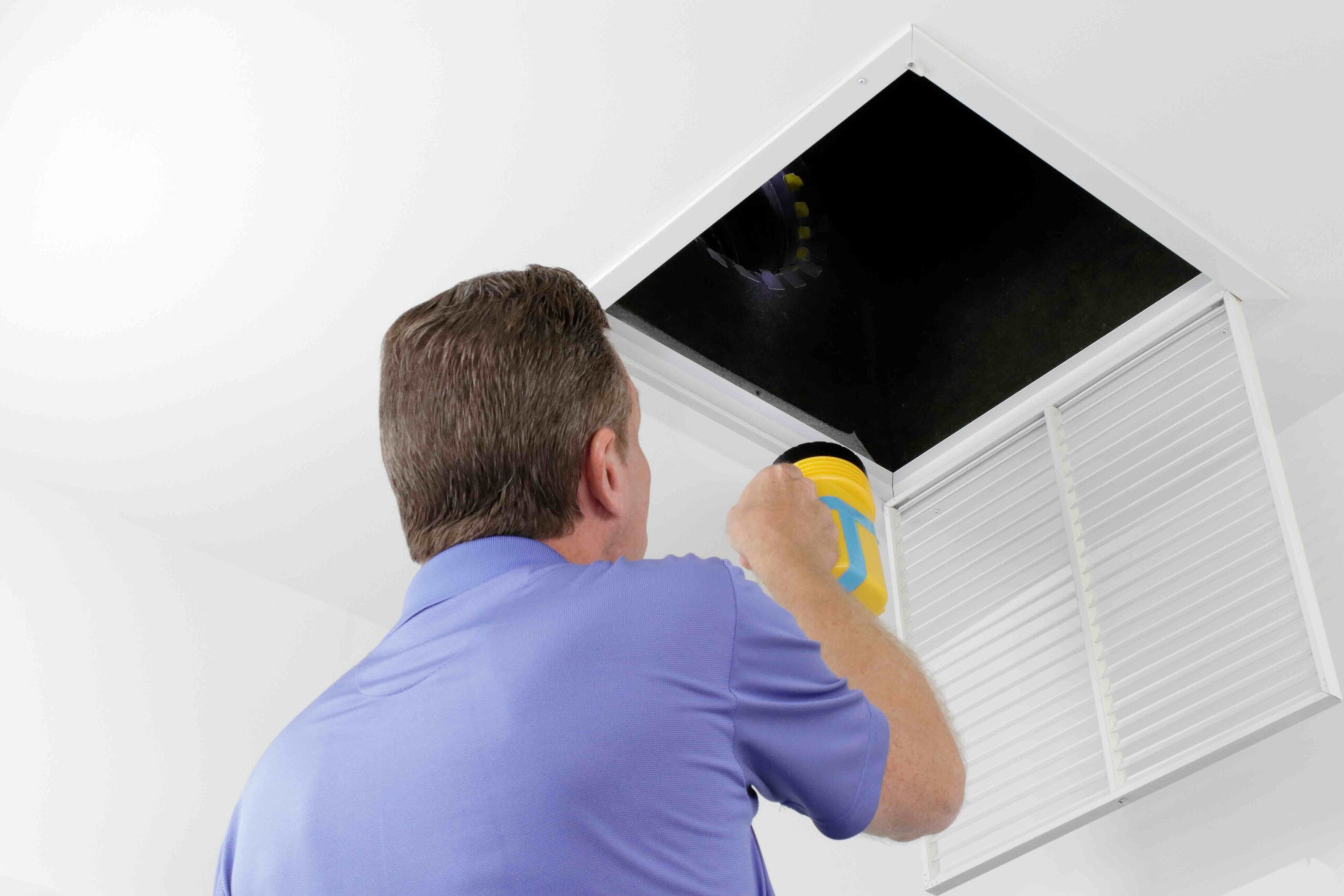
Some moisture issues are manageable with targeted DIY attention, like clearing a condensate drain or adding insulation around an accessible duct section. But many situations require professional expertise. If you are seeing mold growth inside or around vents, if the moisture problem is widespread, or if you suspect your duct system has significant leaks or deterioration, a licensed HVAC contractor is the right call. A professional assessment will typically include an inspection of the full duct system, identification of the moisture source, and a remediation plan. In some cases, duct cleaning, sanitizing, or partial replacement may be recommended. The cost varies depending on the scope of the issue, but acting promptly nearly always costs less than waiting until damage compounds.
What Home Warranties Cover Regarding HVAC and Ductwork
This is a question that comes up more often than people might expect. Home warranties vary considerably in what they cover, and ductwork coverage is not always included by default. Many home warranty plans cover the HVAC system itself, including the furnace, air conditioning unit, and key components, but may treat ductwork as a separate line item. It is worth reading the fine print of any plan carefully. Some warranties include duct leaks or failures that result from covered system breakdowns, while others specifically exclude moisture-related damage. Understanding what your plan covers before a problem arises is far better than discovering gaps in coverage when you are already dealing with a costly repair.
Why Armadillo Is the Right Partner for HVAC and Duct Protection
When moisture finds its way into your duct system and leads to HVAC component failures, repair costs arrive fast and they rarely come at a convenient time. That is exactly the kind of situation where having the right home warranty in place changes everything. Armadillo home warranty plans for HVAC system protection are designed with homeowners in mind, offering straightforward coverage that does not bury the important details in confusing language. Armadillo focuses on making the claims process simple and the coverage genuine. If you want to understand exactly what protection looks like for your home and your HVAC system before something goes wrong, you can get a free home warranty quote for air duct and HVAC coverage in just a few minutes. Being proactive about protection is always the smarter move.

Frequently Asked Questions About Water in Air Ducts
Homeowners dealing with moisture in their ductwork often have the same core questions. Here are clear, direct answers to the most common ones.
What causes water to form inside air ducts?
Water forms inside air ducts primarily due to condensation, which occurs when warm, humid air contacts a cooler duct surface. Other causes include leaky duct connections, clogged condensate drain lines, an oversized AC unit, and high indoor humidity levels.
Is water in air ducts dangerous?
Yes, it can be. Persistent moisture inside ducts creates conditions where mold and mildew grow rapidly. When the HVAC system runs, it can distribute mold spores throughout the home, which poses respiratory risks, particularly for people with allergies or asthma.
How do I know if my air ducts have water in them?
Common signs include a musty smell coming from vents, condensation or rust around vent covers, water stains near registers, reduced airflow, and an increase in allergy or respiratory symptoms among household occupants.
Can water in ducts damage my HVAC system?
Yes. Moisture accelerates corrosion in metal components, degrades flexible ductwork materials, and can damage insulation surrounding ducts. Over time, this leads to reduced system efficiency and costly repairs or replacements.
How do I get rid of water in my air ducts?
Addressing the root cause is essential. This may involve improving duct insulation, sealing leaky connections, clearing condensate drain lines, right-sizing the HVAC unit, or reducing overall indoor humidity. Significant moisture problems typically require a licensed HVAC professional.
Can mold in air ducts be cleaned?
Yes, but it requires proper remediation by a qualified professional. Simply cleaning visible mold without addressing the underlying moisture source will result in regrowth. The moisture problem must be resolved as part of the remediation process.
Does homeowner’s insurance cover water damage from air ducts?
Standard homeowner’s insurance may cover sudden and accidental water damage in some cases, but it typically does not cover gradual moisture damage or mold resulting from long-term condensation issues. Coverage depends heavily on the specific policy.
Does a home warranty cover ductwork?
It depends on the plan. Some home warranties include ductwork as part of their HVAC coverage, while others treat it separately or exclude moisture-related damage. Reviewing your specific plan details before a problem arises is strongly recommended.
How often should air ducts be inspected for moisture issues?
Air ducts should be inspected at least once a year, ideally as part of a routine HVAC maintenance visit. Homes in humid climates or with ducts routed through unconditioned spaces may benefit from more frequent checks.
Can the wrong size AC unit cause water in ducts?
Yes. An oversized air conditioner cools air too quickly without running long enough to effectively remove humidity. This leaves excess moisture in the air, which eventually condenses inside the duct system and creates ongoing moisture problems.