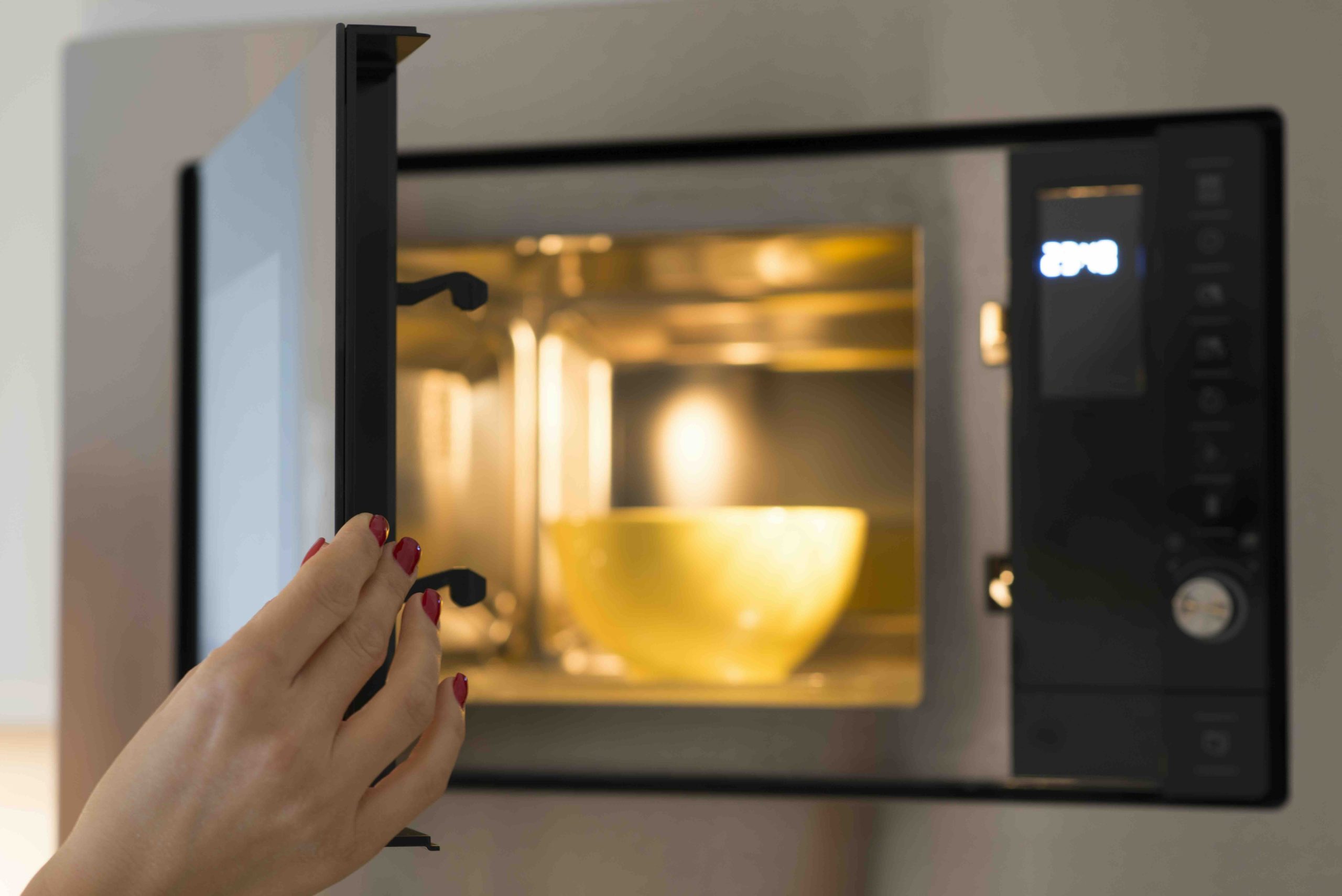
Why Is My Microwave Not Heating? What Every Homeowner Should Know
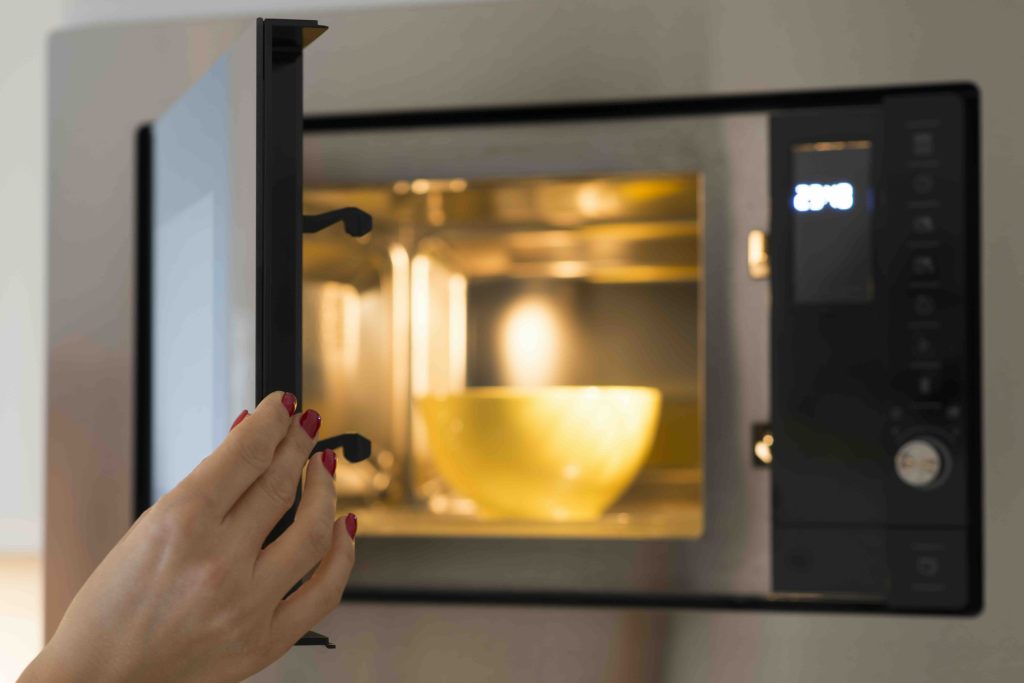
You press start, the microwave hums, the turntable spins, the timer counts down, and then you open the door to find your food is still cold. It is one of the more quietly frustrating kitchen experiences a homeowner can have. The microwave looks like it is working, but it clearly is not doing its one job. Before assuming the worst, it helps to understand what is actually happening inside that appliance and why things go wrong in the first place. This guide breaks it all down in plain terms, including what heating issues typically mean, what they cost, and how a home warranty fits into the picture.
How a Microwave Actually Heats Your Food
Most people use microwaves daily without ever thinking about the mechanics behind them. The appliance works by generating electromagnetic waves, specifically microwaves, through a component called a magnetron. Those waves penetrate food and cause water molecules inside to vibrate rapidly, which generates heat from within the food itself. That is why a microwave heats a bowl of soup much faster than a conventional oven. The process depends on several internal components working in sync, including the magnetron, high-voltage diode, capacitor, and door interlock switches. When any one of those parts fails, the result is often a microwave that powers on and appears functional but produces no heat at all.
The Most Common Reasons a Microwave Stops Heating
A non-heating microwave is almost always a component failure rather than a wiring or electrical panel issue. The problem tends to narrow down to a handful of culprits that technicians see over and over again.
- Failed magnetron: This is the heart of the heating system. When it burns out, the microwave runs but generates no heat. Magnetrons wear out over time, especially in heavily used appliances.
- Blown diode: The high-voltage diode converts power and feeds the magnetron. A failed diode often produces a buzzing sound while the unit runs without heating.
- Faulty capacitor: The capacitor stores and releases electrical charge. If it fails, the magnetron cannot receive the power it needs.
- Defective door interlock switches: Microwaves have multiple safety switches that detect when the door is closed. If one fails, the appliance may appear to run while internally preventing heating from engaging.
- Burned thermal fuse or thermoprotector: These components cut power to protect against overheating. Once blown, they disable heating functions until replaced.
Signs Your Microwave Has a Heating Problem
The obvious sign is food coming out cold, but there are a few secondary indicators that point toward specific failures. A microwave that makes a loud humming or buzzing sound during operation but produces no heat often has a diode issue. One that runs completely silently and generates no warmth may have a blown fuse or a door switch problem. If the display and light work fine but heat is absent, that typically rules out a power supply issue and points toward the magnetron or related high-voltage circuit. Noticing a burning smell during operation is also worth taking seriously and usually warrants stopping use immediately until a technician can inspect it.

Can You Repair a Microwave That Is Not Heating?
In many cases, yes, a non-heating microwave can be repaired. Whether repair makes financial sense depends on the age of the appliance and the specific component that failed. A door switch replacement is relatively inexpensive and straightforward for a qualified technician. Replacing a magnetron, on the other hand, can cost nearly as much as the microwave itself, particularly in countertop models. Over-the-range and built-in microwaves tend to have higher repair value because the cost of the appliance plus installation is significantly greater. A general rule of thumb in the appliance repair industry is that if the repair cost exceeds fifty percent of the replacement cost of the unit, replacement is often the smarter financial move.
DIY Versus Professional Repair: What You Should Know
This is one appliance where the do-it-yourself approach carries real risk. Microwaves contain high-voltage capacitors that can hold a dangerous electrical charge even after the unit has been unplugged. That stored charge can deliver a severe or fatal shock to someone who is not trained to handle it safely. Replacing a door switch or a fuse is something some experienced homeowners attempt, but anything involving the magnetron, capacitor, or diode should be left to a licensed appliance repair technician. Beyond the safety concern, improper repairs can void any remaining warranty on the unit and potentially create a fire hazard. When in doubt, bring in a professional.
How Long Should a Microwave Last?
The average lifespan of a microwave is roughly seven to ten years, though this varies significantly depending on use frequency, brand quality, and maintenance. Over-the-range microwaves with built-in ventilation systems sometimes wear out faster due to the added strain of fan motor use. Countertop models used multiple times a day may show signs of wear earlier than one used occasionally. Keeping the interior clean, avoiding running the unit empty, and not slamming the door are all habits that contribute to a longer functional lifespan. A microwave approaching the eight or nine year mark that develops a heating issue is often a strong candidate for replacement rather than repair.
What Homeowners Often Overlook When a Microwave Fails
One thing that catches people off guard is the timing. Appliances tend to fail at inconvenient moments, and a microwave going out during a busy week can mean unexpected repair or replacement costs that were not in the budget. Many homeowners also do not realize that their homeowners insurance policy typically does not cover appliance breakdowns from normal wear and tear. That is a separate category of coverage, and it is exactly the gap that a home warranty is designed to fill. Understanding what protections you already have in place before an appliance fails is one of the more practical things you can do as a homeowner.
Key Advantages and Drawbacks of Microwave Repair Coverage
When evaluating whether to repair, replace, or rely on a warranty, it is worth weighing the practical trade-offs involved.
- Advantages of having appliance coverage: Predictable costs, access to vetted technicians, no scrambling to find a reliable repair service, and protection against costly component failures like magnetron replacement.
- Drawbacks to be aware of: Home warranty plans vary significantly in what they cover, some have service call fees, and coverage limits may apply to older or high-end appliances.
- When replacement is smarter than repair: Aging units near the end of their lifespan, repeat failures, or repair costs approaching replacement value all point toward replacement.
- When repair is the right call: Newer appliances, single-component failures, and built-in units where replacement labor costs are high often make repair the more economical choice.
Why Armadillo Makes Sense for Microwave and Appliance Protection
When a microwave stops heating, the last thing you want is to figure out coverage, negotiate repair costs, and track down a technician all at the same time. That is where having the right home warranty plan already in place changes everything. Armadillo home warranty plans for kitchen appliance coverage are built to remove exactly that kind of friction. Coverage is straightforward, technicians are pre-screened, and claims are handled without the runaround. Whether you are dealing with a failed magnetron, a blown diode, or any number of appliance and system failures, Armadillo keeps you from absorbing those costs out of pocket. If you have been putting off getting covered, now is a reasonable time to reconsider. You can get a free microwave and home appliance warranty quote from Armadillo in just a few minutes and know exactly what you are protected against before the next appliance decides to call it quits.

Frequently Asked Questions About Microwaves Not Heating
Real answers to the questions homeowners search for most when their microwave stops working properly.
Why does my microwave run but not heat food?
This is almost always caused by a failed internal component such as the magnetron, high-voltage diode, or capacitor. The microwave can power on and appear functional while the heating circuit is completely disabled.
Is it worth repairing a microwave that is not heating?
It depends on the age of the unit and the cost of the repair. For newer appliances or built-in models, repair is often worth it. For countertop units over seven years old, replacement may be more cost-effective.
How much does it cost to fix a microwave that is not heating?
Repair costs typically range from $100 to $350 depending on the failed component. Magnetron replacement tends to be the most expensive single repair and can approach or exceed the cost of a new countertop microwave.
Can a blown fuse cause a microwave to stop heating?
Yes. A blown thermal fuse or thermoprotector disables the heating circuit as a safety measure. This is one of the more affordable repairs and is often caused by the unit overheating or running while empty.
Is it dangerous to use a microwave that is not heating?
Not typically from a radiation standpoint, but if the unit is making unusual sounds, emitting burning smells, or sparking, it should not be used until inspected. A faulty component can pose electrical or fire risks in some cases.
Does a home warranty cover microwave repairs?
Many home warranty plans do include built-in or over-the-range microwaves as covered appliances. Coverage for countertop models varies by provider and plan. Reviewing your specific policy details is always the best approach.
What is a magnetron and why does it matter?
The magnetron is the core component responsible for generating the microwave energy that heats food. When it fails, the appliance loses its ability to heat entirely, even though all other functions may appear normal.
How do I know if my microwave door switches are bad?
If your microwave powers on, the light works, the turntable spins, but no heat is produced, faulty door interlock switches are a likely cause. A technician can test each switch individually to identify the failed one.
Can I replace microwave parts myself?
Minor repairs like door handle replacement or turntable motor swaps are sometimes manageable for experienced homeowners. However, any repair involving the high-voltage circuit, including the magnetron, capacitor, or diode, should be handled by a licensed technician due to the serious electrical hazard involved.
How can I extend the life of my microwave?
Avoid running the microwave empty, clean the interior regularly to prevent grease and food buildup, handle the door gently to preserve the interlock switches, and use microwave-safe containers to reduce arcing risk. These habits meaningfully extend the operational lifespan of the appliance.